
Wilson's satinash
Syzygium wilsonii subsp. wilsonii
Description
Growing requirements
Wilson's satinash (Syzygium wilsonii subsp. wilsonii) is a remarkable evergreen plant belonging to the Myrtaceae family. It is native to the tropical rainforests of Australia, specifically within Queensland, where it thrives in humid conditions.
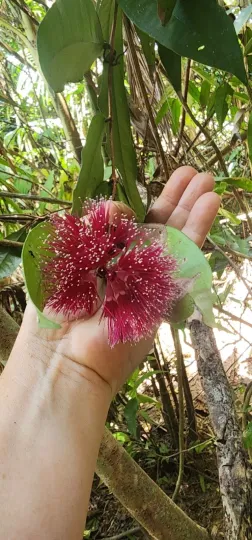
This species is well-regarded for its stunning, pendulous flower heads that exhibit vibrant pink to red colors, making it an excellent candidate for ornamental horticulture in tropical zones.
The plant requires a rich, well-draining soil medium, ideally with a slightly acidic profile, to maintain healthy root development and efficient nutrient uptake throughout the year.
In terms of climatic demands, Syzygium wilsonii thrives in consistent temperatures without frost, needing protection from cold winds and extreme temperature fluctuations that can stress the plant.
Proper cultivation involves consistent watering and ensuring high air humidity, which mimics the natural forest floor environment where the plant is typically found.
Main diseases and pests
Pests such as scale insects and spider mites are common threats that target the foliage, sucking sap and causing yellowing or leaf drop if left uncontrolled.
Fungal infections, often manifested as leaf spots, are primarily caused by excessive overhead irrigation or poor drainage, which creates an environment conducive to pathogen growth.
Nutrient deficiencies, particularly iron or magnesium, can occur if the pH balance of the soil drifts too far from the optimal range, leading to chlorosis in younger leaves.
Integrated pest management, including regular monitoring and the use of horticultural oils or systemic pesticides, is essential to maintain the visual health of this decorative plant.
Good ventilation and sanitary pruning practices are critical to reducing the risk of airborne fungal spores settling and germinating on the dense leaf canopy of the shrub.