
Syzygium paniculatum
Syzygium paniculatum Banks ex Gaertn.
Description
Growing requirements
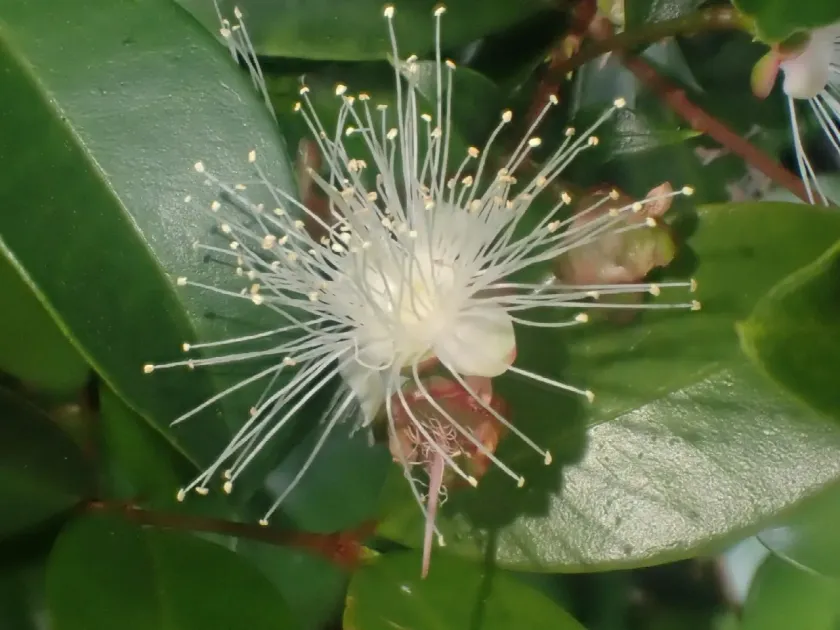
Syzygium paniculatum, commonly known as brush cherry, is an evergreen shrub or tree belonging to the Myrtaceae family. Native to Australia, it is widely recognized for its glossy foliage and edible purple-red fruit.
The plant thrives in subtropical climates, requiring significant sunlight to maintain its dense foliage. When grown indoors or in temperate zones, it must be placed in a bright, south-facing location.
Soil quality is paramount for this species; it requires a well-draining, nutrient-rich substrate. A mixture of peat, perlite, and organic compost is ideal for container-grown specimens.
Consistent moisture is needed throughout the growing season. The plant should be watered whenever the top inch of soil feels dry, but careful drainage must be ensured to prevent waterlogging.
Pruning is a critical management practice for Syzygium paniculatum. It responds exceptionally well to trimming, making it a popular choice for hedges, topiary art, and bonsai cultivation.
Main diseases and pests
Common pests include scale insects, mealybugs, and spider mites. These pests thrive in dry indoor environments and can quickly infest the foliage, leading to yellowing and leaf drop.
Root rot is a frequent issue caused by overwatering or compacted soil. Once the root system is compromised, recovery is difficult and often requires aggressive pruning of the foliage.
Fungal leaf spots may occur during periods of high humidity and poor air circulation, necessitating better spacing between plants or increased ventilation.
Management of these threats involves a combination of horticultural oils for pest control and chemical fungicides for severe fungal outbreaks.
Integrated Pest Management (IPM) practices, such as maintaining healthy soil nutrient balance and regular physical cleaning of leaves, are highly recommended to prevent outbreaks.