
Water apple
Syzygium aqueum (Burm. f.) Alston
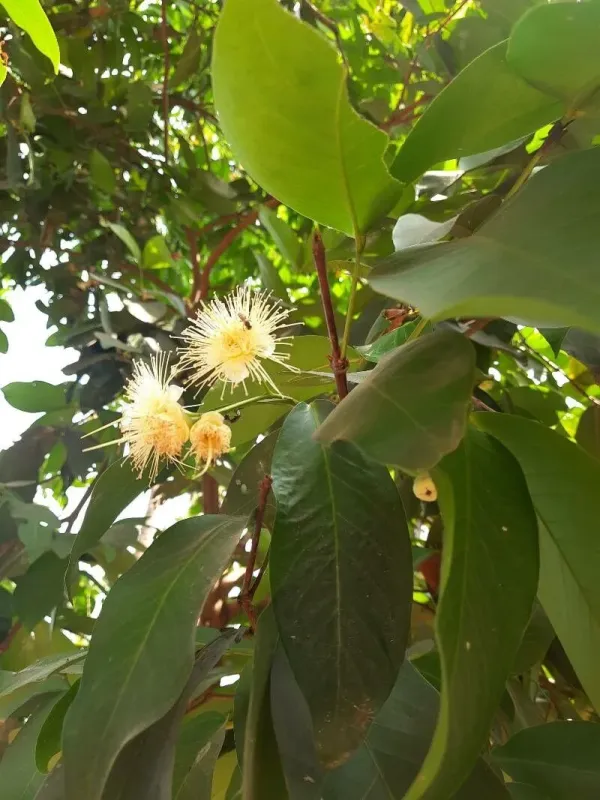
Description
Growing requirements
The water apple (Syzygium aqueum), a member of the Myrtaceae family, is a tropical fruit tree native to Southeast Asia. It is known for its bell-shaped fruits that are highly valued in tropical regions for their refreshing, crisp texture.
This species thrives in a strictly tropical climate with consistent rainfall and high humidity. It is intolerant to frost and performs best when grown in areas where temperatures remain between 22°C and 30°C throughout the year.
Water apple trees prefer deep, fertile, and well-drained alluvial soils. While the tree loves moisture, it is critical that the site is not prone to waterlogging, as the roots are susceptible to asphyxiation in stagnant water.
Agronomic management involves regular application of nitrogen-rich fertilizers to promote canopy growth and fruit production. Pruning is essential to maintain tree height, improve airflow, and facilitate the harvesting process.
The crop is utilized not only for its edible fruits, which are consumed raw or used in traditional salads, but also for its medicinal properties in folk practices and its aesthetic value as an evergreen ornamental plant.
Yield
The yield of water apple is generally high, with mature trees producing fruit multiple times per year, depending on the irrigation and environmental conditions. Proper management can lead to a consistent harvest throughout the fruiting season.
Under optimal conditions, a single well-maintained tree can produce dozens of kilograms of fruit annually. The productivity increases significantly as the tree matures, provided there is adequate nutrient supply and pest management.
Fruit set is heavily influenced by the presence of pollinators. It is recommended to maintain a healthy ecosystem around the plantation to ensure consistent pollination rates and high fruit quality.
Thinning the fruit clusters can significantly improve the size and quality of individual fruits. Growers often remove small or damaged fruits early in the development stage to allow the tree to concentrate energy on larger, premium-grade produce.
Harvesting usually occurs when the fruit reaches its full color, which varies from pale green to deep red. Since the fruit is highly perishable, post-harvest handling requires gentle care and rapid cooling to maintain quality during transport.
Main diseases and pests
Anthracnose is the most prevalent fungal disease affecting Syzygium aqueum, typically causing spotting on leaves and fruit rot. Integrated pest management, including fungicide application and canopy management, is necessary for control.
Fruit flies are the primary insect threat, as they deposit eggs in developing fruit. The resulting larvae render the produce unsellable, forcing many farmers to use physical barriers or organic fruit fly traps.
Scale insects and mealybugs can colonize the branches, leading to a decline in tree vigor. Monitoring the underside of leaves and stems allows for early detection and targeted treatments to prevent widespread outbreaks.
Root rot, caused by various soil-borne pathogens, is a significant risk in poorly drained plantations. Ensuring adequate soil drainage and avoiding over-irrigation are the most effective preventative measures.
Viral infections can occasionally occur, often transmitted by sap-sucking insects. Using healthy, disease-free nursery stock is the most critical step in establishing a productive and long-lasting orchard.