
Syzygium samarangense
Syzygium samarangense (Blume) Merr. et Perry
Description
Growing requirements
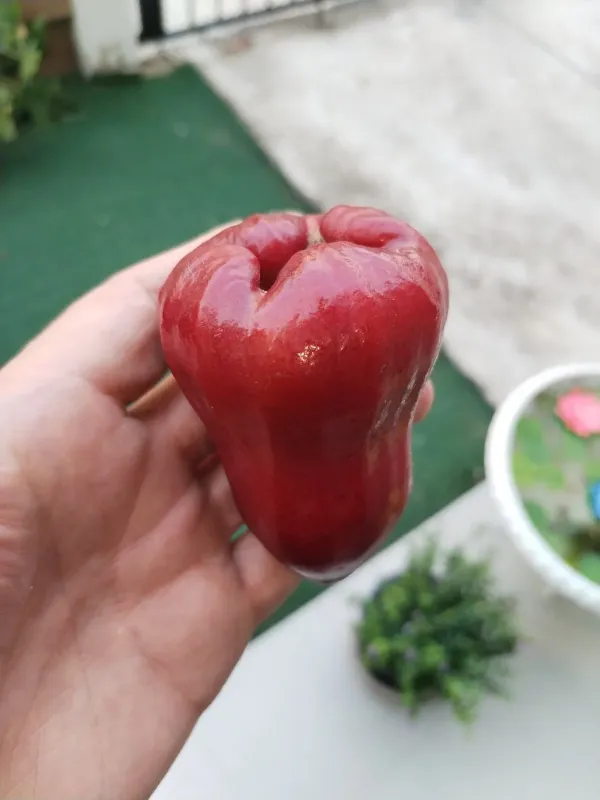
Syzygium samarangense, commonly known as wax apple or water apple, is a tropical tree belonging to the Myrtaceae family. Native to Southeast Asia, it is a prominent fruit-bearing species characterized by its glossy, waxy skin and crisp, juicy flesh.
The tree thrives in tropical and subtropical climates, requiring consistent temperatures between 20°C and 35°C. It is highly sensitive to frost, which limits its commercial cultivation to frost-free regions where high levels of ambient humidity are consistently maintained.
For optimal growth, Syzygium samarangense requires deep, fertile, and well-drained soils. While it can adapt to various soil types, organic-rich alluvial soils provide the best conditions for tree development and fruit quality. It requires an adequate water supply, especially during the fruit-set stage.
Sunlight exposure is essential for high-yield production. The tree requires full sun to partial shade, with sufficient light intensity needed to promote flowering and ensure that the fruit develops its signature color and high sugar content.
Beyond its culinary value, the tree has versatile agricultural uses. The wood is dense and durable, often utilized in local handicrafts and furniture making, while the flowers and leaves have applications in traditional medicine and ornamental horticulture.
Yield
Yield capacity in Syzygium samarangense is significantly influenced by tree maturity and orchard management. A healthy, mature tree can produce substantial fruit yields annually, often exceeding 80–100 kilograms under professional care.
Pruning is the primary agricultural technique used to regulate yields. By maintaining an open canopy structure, growers can ensure uniform fruit distribution, facilitate easier harvesting, and reduce the likelihood of limb breakage due to the weight of the fruit.
Effective irrigation management is crucial for yield consistency. During dry spells, moisture stress can cause flower abortion or fruit drop. Utilizing drip irrigation systems allows for controlled water delivery, which optimizes fruit size and nutritional quality.
Nutrient application, particularly nitrogen, phosphorus, and potassium, is essential for maintaining tree vigor. Regular soil testing helps customize fertilization programs, ensuring the tree receives the necessary elements to sustain high-intensity fruiting cycles.
Orchard density also plays a role in total yield per hectare. Proper spacing between trees ensures better light penetration and airflow, which minimizes competition for resources and helps maximize the economic productivity of each individual tree.
Main diseases and pests
The most significant threat to wax apple production is the fruit fly (Bactrocera spp.), which lays eggs inside the developing fruit. Controlling this pest is a top priority for farmers and often involves the use of protective netting on clusters of fruit.
Fungal diseases, such as leaf spot and anthracnose, are common in humid environments. These pathogens attack leaves and fruits, leading to reduced photosynthesis and crop loss. Maintaining hygiene in the orchard by removing debris is a standard preventive measure.
Sucking pests like aphids and scale insects are frequently encountered on young shoots. Integrated Pest Management (IPM) strategies, which combine biological control agents with selective organic pesticides, are preferred to maintain the ecosystem balance and ensure food safety.
Root rot, caused by waterlogging, can be fatal to the tree. Ensuring good soil drainage is the most effective way to prevent these subterranean issues. If water stagnates around the base of the trunk, the tree becomes highly vulnerable to pathogenic soil fungi.
Regular monitoring and rapid intervention are essential to control threats. Growers should conduct weekly field scouting to identify early signs of infestation or infection, allowing for localized treatments that prevent the spread of diseases across the entire plantation.
Harvesting
Harvesting Syzygium samarangense requires careful manual labor, as the fruits are delicate and prone to bruising. Each fruit must be picked individually by hand to preserve its physical integrity and market value for the fresh produce sector.
Timing the harvest is critical to quality. Fruit is typically harvested when it reaches full color maturity, as its sugar content peaks at this stage. Post-harvest ripening is minimal, making picking at the correct maturity level essential for flavor.
Proper post-harvest handling includes immediate sorting and cleaning to remove any debris or pests. Sorting is done based on size, color uniformity, and the absence of surface defects, ensuring that only high-quality produce reaches the end consumer.
Storage of the water apple is a challenge due to its high water content and thin skin. Fruits are typically kept in climate-controlled environments at temperatures between 5°C and 8°C to slow down metabolism and extend shelf life by a few extra days.
Logistics play a vital role in successful harvesting. Transporting the fruit in ventilated, padded crates prevents damage during transit. By minimizing the time between picking and delivery, producers can significantly reduce shrinkage and improve overall profitability.