
Syzygium jambos
Syzygium jambos (L.) Alston
Description
Growing requirements
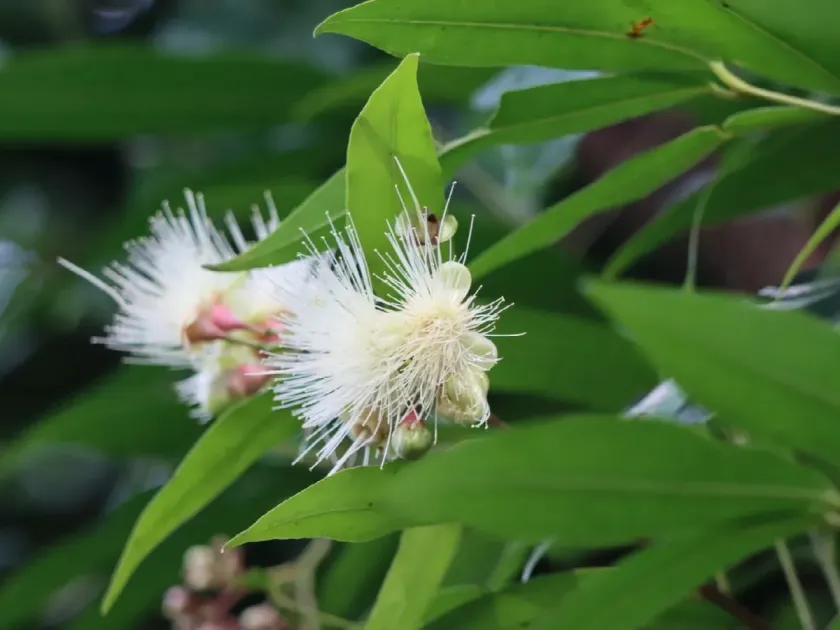
Syzygium jambos, commonly known as rose apple, is a member of the Myrtaceae family. It is a perennial tropical evergreen tree widely recognized for its edible, bell-shaped fruit with a distinct floral fragrance.
Originating from Southeast Asia, this species thrives in tropical and subtropical regions. It is highly sensitive to frost, requiring a stable climate with consistent warmth to complete its life cycle and fruit production.
Soil requirements for Syzygium jambos include deep, fertile, and well-drained conditions. The plant is adaptable to various soil textures, but it prefers loam or clay-loam substrates with a balanced pH level for optimal nutrient uptake.
Regarding agrotechnical practices, irrigation management is crucial. The tree requires regular watering to maintain soil moisture, particularly during the flowering stage and fruit development, to prevent fruit drop.
The tree serves various purposes: its fruit is consumed fresh or used in culinary applications like jellies and beverages, while the wood is highly valued in local carpentry for its durability and aesthetic appeal.
Main diseases and pests
Pests represent a significant challenge in the cultivation of Syzygium jambos. Aphids, scale insects, and mealybugs frequently colonize the tender tips, causing stunted growth and leaf curling.
Fungal pathogens such as leaf spot and powdery mildew can occur, especially in humid environments with poor air circulation. These diseases damage foliage and can reduce the overall photosynthetic capacity of the tree.
Root rot, often caused by overwatering or poor drainage, is a lethal threat. It destroys the root system and results in sudden wilting and decline of the tree, making site selection critical for planting.
Management strategies involve integrated pest management (IPM) techniques. This includes using horticultural oils for insect control and applying systemic fungicides to prevent the progression of fungal infections.
Routine maintenance such as pruning is essential to improve airflow through the canopy. By removing dead or crowded branches, growers can create a less favorable environment for disease development.