
Syzygium smithii
Syzygium smithii (Poir.) Nied.
Description
Growing requirements
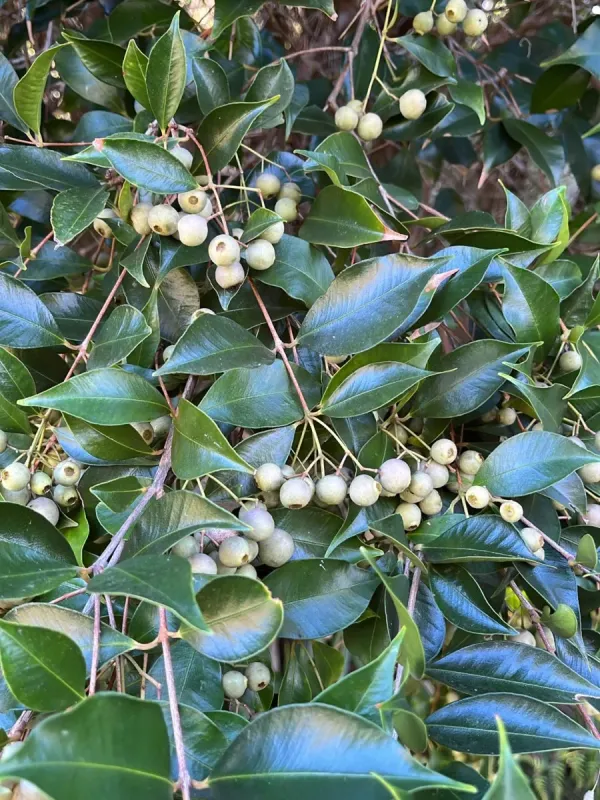
Syzygium smithii, commonly known as lilly pilly, is a significant evergreen species within the Myrtaceae family. Originally from Australia, this crop is valued for both its ornamental appeal and its edible fruit, which possesses a unique, crisp flavor profile.
The plant thrives in sub-tropical to temperate climates, requiring consistent warmth to maximize growth potential. It is sensitive to severe frost, so selecting a site with proper air drainage and protection from cold winds is essential for commercial viability.
Optimal soil conditions for this crop involve rich, well-draining loam with a slightly acidic to neutral pH. Proper soil preparation is vital to prevent root rot, as the plant cannot tolerate waterlogged conditions, making effective drainage systems a prerequisite for success.
Agrotechnical practices include regular irrigation during dry spells and consistent mulching to retain soil moisture. Nutrient management should focus on balanced NPK applications to support both the dense foliage and the annual fruit production cycles characteristic of the species.
Economically, Syzygium smithii is utilized in landscape management as well as food production. Its fruit is widely processed into jams, cordials, and sauces, while the tree itself is highly regarded for its ability to form dense, attractive hedges and screens in agricultural settings.
Main diseases and pests
Fungal diseases, particularly myrtle rust and leaf spot, pose the most significant threat to this crop. Maintaining proper spacing between trees is crucial to improve air circulation and reduce the humidity levels that favor these fungal pathogens.
Pest management must account for psyllids and aphids, which frequently target young, succulent growth. Integrated Pest Management (IPM) strategies, including the use of beneficial insects, are recommended to maintain plant vigor while minimizing the need for synthetic chemicals.
Scale insects can also infest the stems and leaves, causing a decline in overall plant health and cosmetic quality. Regular monitoring for sticky residue and soot-like mold growth allows farmers to apply control measures before infestations become widespread.
Nutrient deficiencies, specifically magnesium and iron, may manifest as leaf yellowing or interveinal chlorosis. Providing targeted micronutrient sprays or soil amendments can quickly rectify these issues and ensure the plant maintains its high photosynthetic capacity.
Sanitation practices, such as removing fallen leaves and pruning away infected branches, remain the cornerstone of crop hygiene. These simple, effective methods help keep pathogen populations low and ensure the long-term sustainability of the lilly pilly orchard.