
Syzygium cumini
Syzygium cumini (L.) Skeels
Description
Sowing dates
Syzygium cumini, commonly known as Java plum or Jamun, is primarily propagated through seeds or vegetative methods such as grafting and budding. Seeds should be sown immediately after extraction from ripe fruit, as they are recalcitrant and lose viability quickly.
In tropical regions, sowing is ideally timed with the onset of the monsoon season to ensure high germination rates. In nursery settings, well-draining soil mixes are essential to prevent damping-off diseases during the early stages of development.
Vegetative propagation is preferred for commercial orchards to ensure clonal consistency. Grafting techniques, such as veneer grafting, allow trees to reach their fruit-bearing stage much faster than those grown from seed.
Young saplings should be maintained in containers until they reach a height of 50–60 centimeters before being transplanted to the permanent field site. Proper spacing is crucial, with standard planting distances usually set at 10 meters apart.
Initial growth requires partial shading to protect tender leaves from scorching. As the tree matures, it develops a robust canopy that provides its own microclimate and resilience against environmental stressors.
Growing requirements
Syzygium cumini belongs to the Myrtaceae family and thrives in tropical and subtropical climates. It is highly sensitive to frost, which limits its commercial cultivation to frost-free geographical zones.
The species is adaptable to various soil types, including sandy, loamy, and clay soils. It shows a remarkable tolerance for waterlogged conditions, making it an excellent choice for low-lying areas that may experience seasonal flooding.
Despite its tolerance to moisture, for high fruit production, the tree requires a distinct dry season to stimulate flowering. Adequate sunlight is essential for maintaining the tree's vigor and promoting a healthy fruit set.
Optimal temperatures for active growth range from 25 to 35 degrees Celsius. The tree is quite hardy once established but requires consistent irrigation during the initial years of development to foster a deep root system.
Soil fertility management should involve the application of organic amendments, as the tree responds well to compost and mulching. Regular weeding in the tree basin helps reduce nutrient competition and keeps the base clean.
Yield
Trees grown from seed typically begin bearing fruit at 5 to 8 years of age. Conversely, grafted trees are much more productive, often entering the harvest phase within 3 to 4 years of planting.
A healthy, mature tree can produce between 50 and 100 kilograms of fruit per season. Yield potential is influenced by tree management, climatic conditions, and the presence of pollinators during the blooming period.
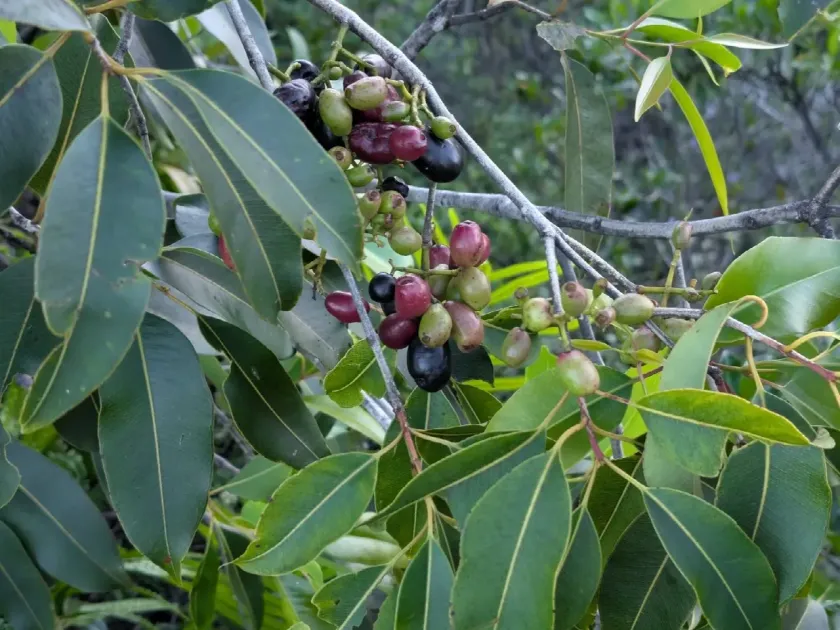
The fruit is a dark purple, oval berry prized for its medicinal properties and unique flavor profile. The industry utilizes these fruits extensively for juices, jellies, and pharmaceutical extracts rich in antioxidants.
Pollination is a critical yield factor; as the tree is a significant honey source, maintaining healthy bee populations in the vicinity is highly beneficial for fruit set percentages.
Pruning is a necessary agronomic practice to keep the tree size manageable and to increase light penetration. This leads to larger fruit size and easier harvesting compared to unmanaged, overly dense canopies.
Main diseases and pests
Common pests include scale insects and mealybugs, which feed on sap and can lead to leaf yellowing and reduced vigor. Monitoring and applying eco-friendly horticultural oils are effective management strategies.
Fruit flies are a significant threat during the ripening phase. Integrated pest management, including the use of pheromone traps and netting, is required to prevent widespread damage to the harvest.
Fungal diseases such as anthracnose can affect leaves and young branches, especially during periods of excessive humidity. Ensuring good air circulation through proper pruning significantly reduces these risks.
Root rot caused by pathogens can occur if soil drainage is completely neglected over long periods. Maintaining soil hygiene and avoiding excessive water retention near the trunk base helps mitigate this.
Regular field scouting allows farmers to detect and address infestations before they spread. Maintaining a balanced ecosystem within the orchard often helps control pest populations naturally.
Harvesting
Harvesting Jamun is labor-intensive because the fruits are delicate and prone to bruising. They are typically collected by hand when they reach their characteristic deep purple color and soft texture.
Since fruit ripening is often non-uniform, multiple picking passes are required throughout the season. Timely harvest is critical, as fallen, overripe fruit is difficult to collect and attracts pests.
Post-harvest handling requires quick cooling to prolong shelf life. Given their high moisture content, the fruits have a short storage window and must be transported to processing facilities or markets within 48 to 72 hours.
Using shallow, ventilated crates prevents the fruit from crushing under its own weight during transportation. This maintains the fruit's integrity and value for high-end retail markets.
Processed products such as jam, vinegar, and wine are viable commercial options for managing harvests that exceed the local fresh market demand, effectively extending the season's profitability.