
Clove tree
Syzygium aromaticum (L.) Merr. et L. M. Perry
Description
Sowing dates
Propagation is typically done through seeds that must be planted immediately after extraction from the fruit, as their viability is very short. Seeds are sown in nursery beds with high humidity and careful monitoring until they are ready for field transplantation.
Growing requirements
The clove tree (Syzygium aromaticum) is a significant tropical evergreen species belonging to the Myrtaceae family. Originally native to the Maluku Islands in Indonesia, it requires a warm, humid environment to thrive and reach its full productivity potential.
Climate requirements focus on stable temperatures between 20°C and 30°C, with high annual rainfall evenly distributed throughout the year. The tree is highly susceptible to cold stress and does not tolerate frost, which makes it strictly a tropical and subtropical agricultural crop.
Soil quality is paramount for clove cultivation; the ideal substrate consists of deep, fertile, loamy soils that possess excellent drainage properties. High organic matter content significantly improves tree vigor and the essential oil concentration in the developing flower buds.
Agricultural management involves regular mulching to retain soil moisture and moderate fertilization to support the tree's physiological needs. Young trees require partial shade, but as they mature, they require full sun exposure to stimulate flower bud formation.
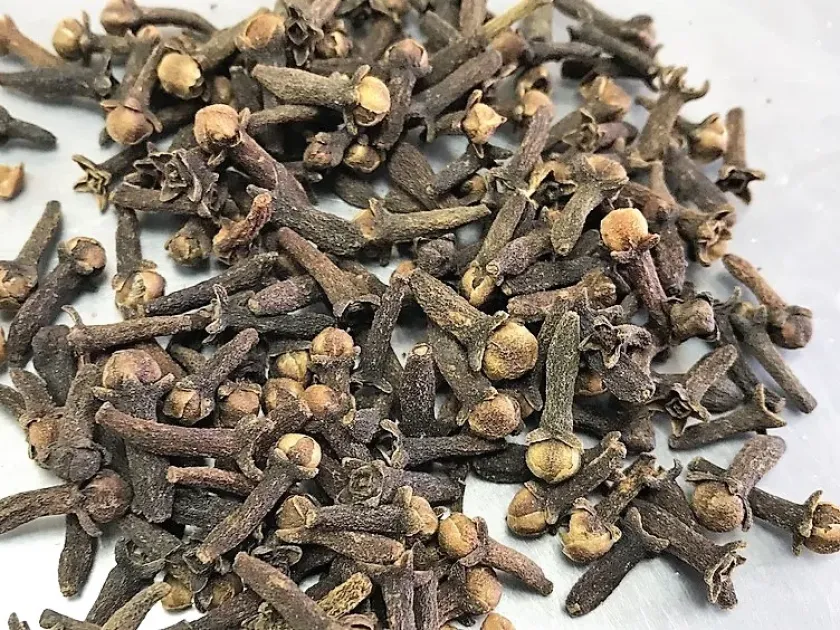
Commercial utilization of the clove tree spans several industries, ranging from culinary spice production to pharmaceutical applications. The buds are valued for their high eugenol content, which serves as a potent antiseptic, local anesthetic, and flavoring agent.
Main diseases and pests
The crop is prone to various pests including stem borers and leaf-eating insects. Additionally, root diseases such as Phytophthora can cause significant yield loss, necessitating strict phytosanitary measures and proper orchard site selection.
Harvesting
Harvesting is performed by hand before the buds open into flowers. Once gathered, the buds are processed through a drying stage where they lose moisture, eventually turning into the characteristic dark, brittle spice known globally as whole cloves.