
Syzygium wilsonii
Syzygium wilsonii
Description
Growing requirements
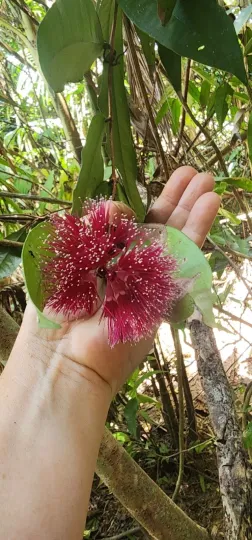
Syzygium wilsonii is a stunning evergreen shrub or small tree native to the tropical rainforests of Queensland, Australia. As a member of the Myrtaceae family, it is highly valued for its intense pink to red flower clusters that emerge directly from the wood, creating a striking visual display.
This species thrives in warm, humid tropical environments. It is not frost-tolerant and requires temperatures ranging between 20°C and 28°C for optimal metabolism. In cultivation, it is typically restricted to tropical landscapes or controlled greenhouse environments where climate parameters are strictly regulated.
The ideal soil for Syzygium wilsonii should be rich in organic matter and possess excellent drainage properties. A slightly acidic pH level between 5.5 and 6.5 is necessary to ensure the efficient uptake of essential nutrients, particularly micronutrients like iron and manganese.
Water management is critical for this species; it requires constant soil moisture without the risk of waterlogging. A deep, well-structured soil profile helps prevent root hypoxia, which is a common cause of decline in container-grown or poorly managed specimens.
Lighting requirements involve bright, diffused sunlight for several hours a day. While it can tolerate partial shade, insufficient light levels will significantly reduce the density of the foliage and the frequency of flowering. Proper spacing is also required to ensure adequate airflow around the canopy.
Main diseases and pests
The primary pests affecting Syzygium wilsonii include scale insects and mealybugs, which tend to congregate on stems and the underside of leaves. Integrated pest management practices, including the use of horticultural oils or systemic insecticides, are recommended for maintaining plant health.
Fungal diseases, particularly leaf spot and powdery mildew, represent significant threats in high-humidity conditions with poor ventilation. Regular pruning to thin out the canopy is essential to improve airflow and reduce the humidity levels that favor fungal spore germination.
Root rot caused by soil-borne pathogens is a common issue when irrigation schedules are poorly calibrated. Using sterilized potting mixes and ensuring that the containers have ample drainage holes are fundamental steps to mitigate the risk of these lethal fungal infections.
Spider mites can become a nuisance during periods of low humidity, especially in indoor collections. Maintaining high atmospheric humidity through misting or automated systems helps deter these pests, though specific miticides may be necessary for significant infestations.
Nutritional disorders such as chlorosis may occur if the substrate pH shifts too far from the optimal range. Regular soil testing and the application of balanced, slow-release fertilizers can help prevent nutrient deficiencies and support robust, disease-resistant growth throughout the season.