
Syzygium francisii
Syzygium francisii
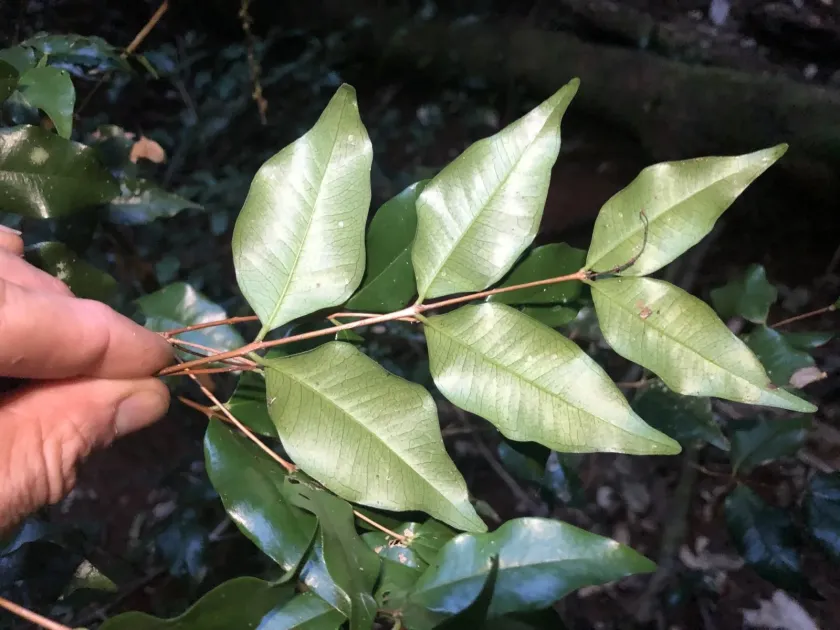
Description
Growing requirements
Syzygium francisii, commonly known as the Giant Water Gum, is an evergreen tree species belonging to the Myrtaceae family. Native to the rainforests of eastern Australia, it is prized for its dense, glossy foliage and its ability to thrive in humid, sheltered environments.
The plant requires a stable subtropical climate with high atmospheric humidity to reach its full potential. While it can adapt to some variations in temperature, it performs best in regions where frosts are rare and rainfall is consistent throughout the year, mimicking its natural habitat.
Soil requirements include deep, nutrient-rich substrates that offer excellent drainage while retaining sufficient moisture. It prefers slightly acidic soils and can struggle in heavy clay or overly alkaline environments without proper amendments like organic compost or peat.
Cultivation techniques involve regular irrigation, especially during the establishment phase or dry spells. Mulching around the base of the tree is highly recommended to maintain consistent soil temperature and preserve moisture levels in the root zone.
Maintenance pruning is essential for younger trees to establish a strong central leader and an aesthetically pleasing canopy structure. As the tree matures, minimal intervention is required, focusing mainly on the removal of dead or crossing branches to encourage airflow.
Harvesting
Harvesting of this species is typically conducted in the context of seed collection for propagation or in nursery management settings. The fruits, which are small and fleshy, are gathered when they reach their full maturity to ensure maximum seed viability.
In ornamental horticulture, harvesting refers more to the selective cutting of foliage for decorative arrangements. When pruning, it is important to use clean, sterilized tools to prevent the transmission of pathogens between individual trees in the orchard or nursery.
The timing of the harvest or major pruning should ideally coincide with the period after the main flowering season to avoid disturbing the reproductive cycle. Always observe the tree's physiological status before harvesting to ensure it has enough energy to recover quickly.
For seed propagation, fruits should be cleaned of their pulp immediately after collection to prevent fungal growth during storage. Seeds must be sown relatively fresh, as they are recalcitrant and do not tolerate long periods of desiccation or cold storage.
Effective harvesting practices ensure the longevity and productivity of the trees, whether they are grown for reforestation projects or landscaping purposes. Careful handling is paramount to maintain the health of the tree's vascular system.