
Box-leaf syzygium
Syzygium buxifolium Hook. & Arn.
Description
Growing requirements
The box-leaf syzygium (Syzygium buxifolium) is a prominent member of the Myrtaceae family, native to the humid subtropical regions of East Asia. This evergreen shrub is highly valued for its dense foliage and adaptability, making it a popular subject for both professional landscapers and hobbyist gardeners.
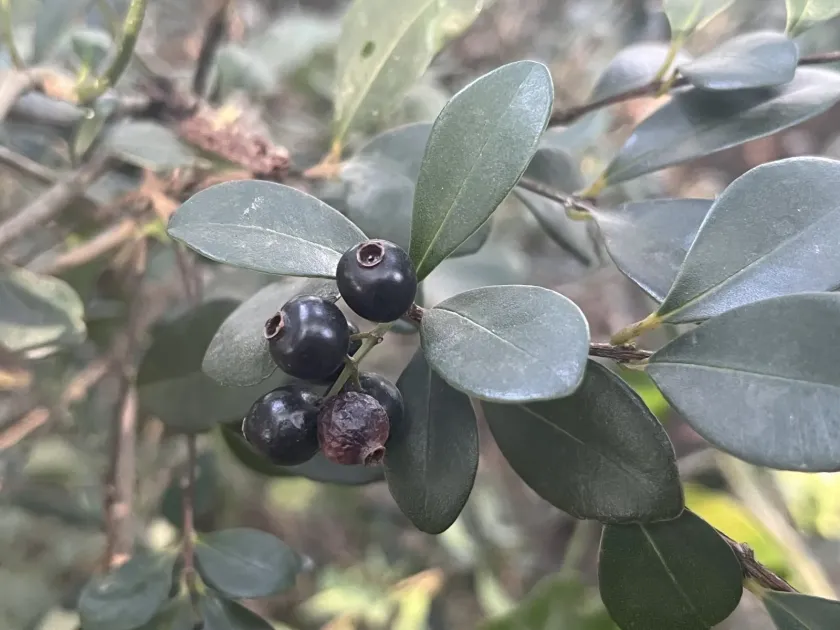
Botanically, the plant is characterized by its small, opposite, elliptical leaves that resemble boxwood foliage. It produces clusters of small white flowers with prominent stamens, followed by dark, succulent berries. Its compact growth habit and glossy leaves contribute significantly to its ornamental appeal.
Cultivation requirements focus on providing a well-draining, slightly acidic soil medium. The plant thrives in locations with bright, filtered sunlight, as excessive heat or direct scorching rays during mid-day can cause dehydration and leaf damage in container-grown specimens.
Regarding moisture, the species requires consistent irrigation to maintain soil humidity without causing waterlogging. A balance must be struck, as excessive moisture leads to oxygen deprivation in the root zone, which can be fatal to the overall health of the specimen.
The agricultural and ornamental use of this crop spans from decorative hedging to high-end bonsai artistry. Its ability to tolerate rigorous and frequent pruning allows it to be shaped into various geometric forms, which remains its primary value in modern horticultural sectors.
Main diseases and pests
Common pests affecting box-leaf syzygium include scale insects and mealybugs, which attach themselves to the stems and leaf undersides. These insects weaken the plant by extracting essential sap, leading to stunted development and eventual yellowing of the foliage.
Fungal pathogens such as leaf spot are prevalent when environmental conditions include high humidity and poor ventilation. Keeping the plant canopy dry and ensuring adequate spacing between plants are essential cultural practices to mitigate these fungal risks.
Root rot, primarily caused by Phytophthora species, presents a significant threat when soil drainage is insufficient. Immediate signs include wilting despite moist soil, necessitating quick intervention with root-zone drainage improvements or fungicide applications.
Management strategies involve a combination of biological controls and integrated pest management (IPM) practices. Pruning infected branches and applying horticultural oils or systematic insecticides help maintain plant vigor and prevent the spread of infestations.
Monitoring the plant's health through regular physical inspections is the most effective approach to preventing large-scale outbreaks. Proper fertilization and balanced watering cycles serve as the foundation for a resilient plant capable of resisting most common environmental stressors.