
Hyacinth lilac
Syringa x hyacinthiflora Rehder
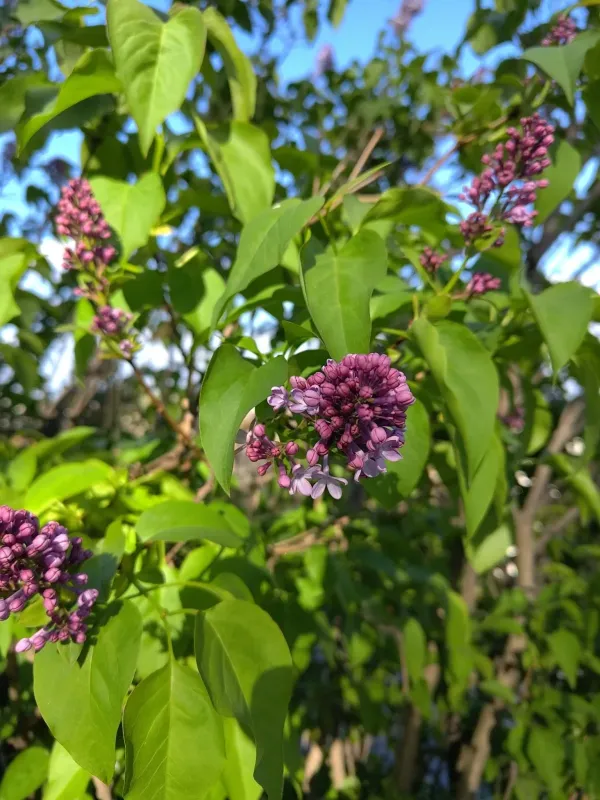
Description
Growing requirements
The Hyacinth lilac (Syringa × hyacinthiflora) belongs to the Oleaceae family. It is a hybrid originating from crosses between Syringa vulgaris and Syringa oblata, resulting in plants that are exceptionally cold-hardy and bloom earlier than common lilac varieties.
This species requires full sun exposure to maintain vigorous growth and abundant flowering. It thrives in fertile, well-drained loamy soils. Excessive moisture, especially in poorly drained areas, must be avoided to prevent root diseases.
Soil pH should be neutral or slightly alkaline. If the soil is too acidic, amending it with lime is necessary to achieve the optimal growing environment. The plant responds well to organic matter incorporated into the soil during planting.
Regular maintenance involves pruning immediately after flowering to shape the shrub and remove dead wood. This practice promotes better airflow and ensures that the plant diverts energy into new growth and future flower buds.
In landscaping, it is used for hedge planting, specimen shrubs, and fragrant garden borders. Its high tolerance to urban conditions makes it a versatile choice for city parks and residential gardens across various climate zones.
Main diseases and pests
Common diseases include powdery mildew, which often appears in late summer, and various leaf spot fungi. Maintaining proper spacing and encouraging airflow through the canopy is the primary preventive measure against these pathogens.
Pests such as scale insects, lilac borers, and aphids can occasionally infest the shrubs. Regular inspection of the bark and underside of leaves is recommended for early detection and targeted management of these pests.
Viral infections can cause mottled leaves and stunted growth, negatively impacting the overall aesthetic value. There is no cure for viral issues, so infected plants should be removed and disposed of to prevent the spread to healthy stock.
Using sharp, sterilized pruning shears is crucial to prevent the mechanical spread of fungal spores between shrubs. Always disinfect tools after trimming infected branches to maintain the health of the entire collection.
Providing adequate nutrition through balanced fertilizers and mulching helps the plant withstand stress and pests. Healthy, robust plants are naturally more resistant to common environmental and biological threats found in horticultural settings.