
Villous lilac
Syringa villosa Vahl
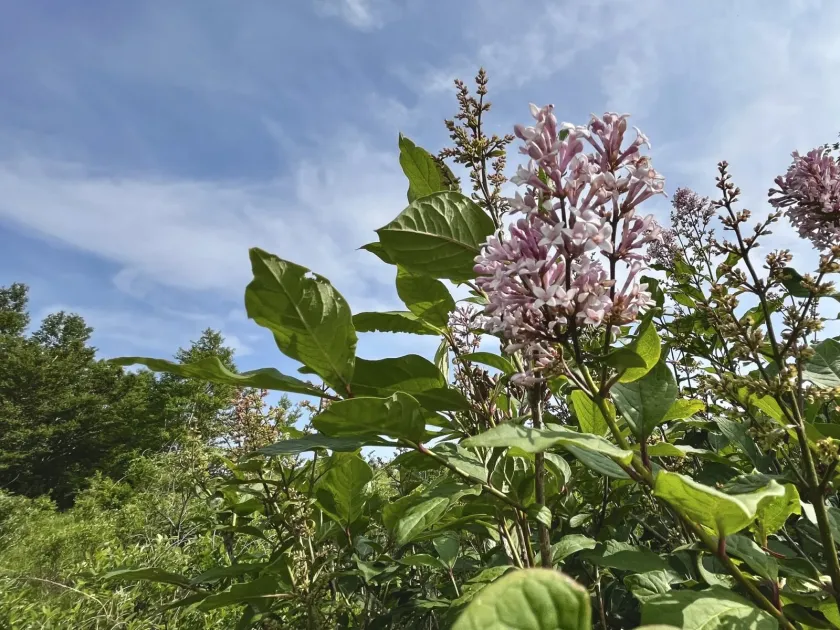
Description
Growing requirements
Villous lilac (Syringa villosa) is a hardy deciduous shrub belonging to the Oleaceae family, known for its late spring flowering and excellent tolerance to cold winter climates. It is widely used in landscape design due to its structural elegance and ease of maintenance.
The plant originates from East Asia, specifically regions of Northern China and Korea. In its natural habitat, it thrives in rocky terrain and forest edges, which reflects its resilience and preference for well-drained soil with a neutral pH, though it adapts well to various garden soils.
For optimal health, this shrub requires a sunny location. While it can survive in partial shade, full sun exposure is essential for maximizing flower production and maintaining a dense, healthy foliage cover throughout the growing season.
Cultivation practices involve consistent watering during the first years of establishment, especially during dry spells. Incorporating organic matter such as compost into the root zone every spring helps improve soil structure and provides necessary nutrients for vigorous annual growth.
Pruning is essential to keep the shrub looking its best. It should be performed immediately after the flowering period concludes. Removing spent blooms and thin, crowded branches promotes airflow, which significantly lowers the risk of structural damage or disease development.
Main diseases and pests
The species is generally robust, but it can be susceptible to powdery mildew in environments with poor air circulation or high humidity. Maintaining proper spacing between plants is the most effective preventative measure to ensure foliage dries quickly after rainfall.
Common pests include lilac borers and scales, which can impact the vitality of the plant if left unchecked. Integrated pest management, including regular inspection and the use of targeted sprays if necessary, is recommended to keep the shrub healthy and thriving.