
Korean lilac
Syringa pubescens Turcz. subsp. patula (Palib.) M. C. Chang & X. L. Chen
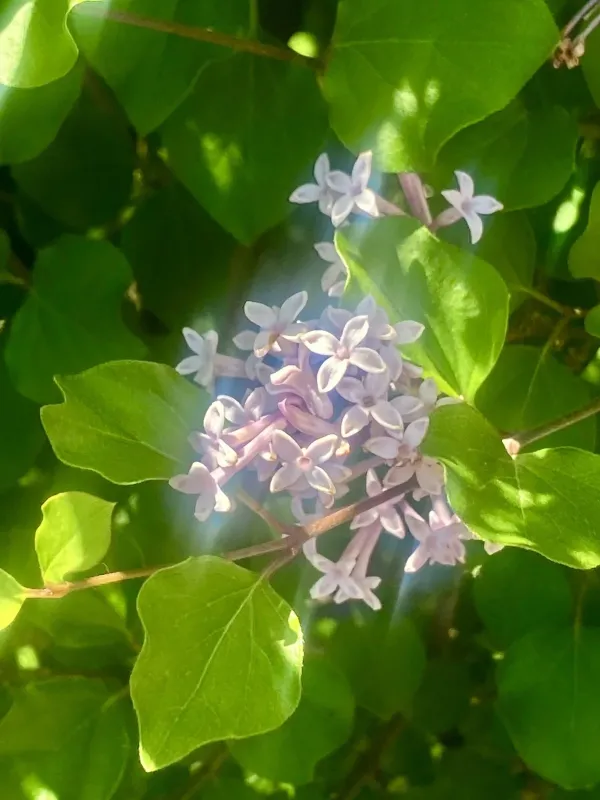
Description
Growing requirements
The Korean lilac (Syringa pubescens subsp. patula) is a deciduous shrub belonging to the Oleaceae family. It is highly valued in horticulture for its dense, spreading habit and its ability to produce highly fragrant, lavender-pink flowers in late spring.
Native to Northeast Asia, including Korea and parts of China, this species is noted for its adaptability to various climate zones. It is particularly valued for its cold hardiness, making it a reliable performer in temperate garden landscapes.
This shrub thrives in full sun, which is essential for maximizing flower production and maintaining a compact shape. While it can tolerate partial shade, insufficient light often results in "leggy" growth and reduced blooming intensity.
Soil requirements are relatively standard: the plant prefers fertile, loamy, and well-drained soils. A pH level ranging from neutral to slightly alkaline is considered optimal. Proper drainage is critical, as stagnant water can quickly lead to root rot.
Cultural practices include a routine pruning schedule, which should ideally take place immediately after the flowering period ends. Regular applications of balanced fertilizers during the early spring encourage vigorous growth and robust floral development for the following year.
Main diseases and pests
Powdery mildew is the most common fungal issue affecting these plants, typically appearing as a white, dusty film on the leaves during humid summer conditions. Improved air circulation around the shrub is the primary defense strategy.
Lilac borers and scale insects are among the most persistent pests. These can cause branch dieback and weaken the plant structure. Integrated pest management, including systemic insecticides, is often required for effective control.
Leaf blight can occur in environments with poor sanitation. Removing and destroying fallen leaves in the autumn is a fundamental practice to reduce the overwintering inoculum of various fungal pathogens.
Spider mites can become a nuisance during hot, dry weather, causing the foliage to turn yellow and mottled. Periodic misting of the foliage and maintaining adequate irrigation levels help to deter mite infestations.
Root rot, often caused by Phytophthora, is a severe threat in waterlogged soils. Ensuring that the planting site has excellent drainage and avoiding over-irrigation are essential to keeping the root system healthy and resilient.