
Pubescent lilac
Syringa pubescens Turcz.
Description
Growing requirements
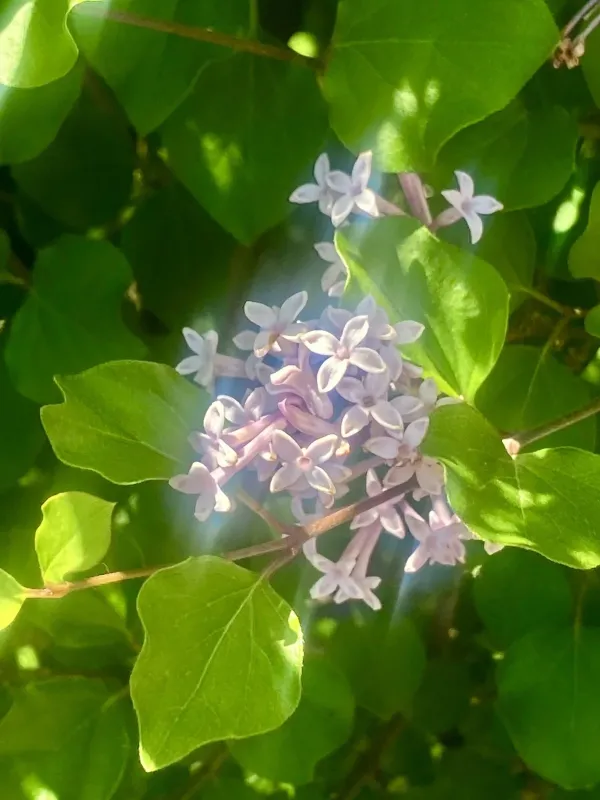
Pubescent lilac (Syringa pubescens Turcz.) is a distinctive deciduous shrub belonging to the Oleaceae family. Originating from the mountainous regions of Northern and Central China, this species is well-regarded for its fragrant, small-sized flowers and subtle beauty.
The plant thrives in full sun, requiring at least six hours of direct sunlight daily to produce abundant blossoms. It is remarkably resilient to cold weather, making it an excellent candidate for temperate landscapes where other, more tender species might struggle during winter months.
Soil requirements are relatively specific; the plant demands well-draining, nutrient-rich soil with a neutral or slightly alkaline pH. If the soil is heavy or compacted, integrating organic matter and ensuring a slope for water runoff is essential to prevent root asphyxiation.
Maintenance involves routine pruning performed immediately after the flowering season ends. Removing faded flowers and thinning out older branches encourages vigorous new growth, which ensures a healthy structure and promotes consistent flowering in the subsequent year.
In landscape architecture, it is frequently utilized for its compact habit and fragrant appeal. It functions well as a foundational element in shrub borders or as a specimen plant, providing visual interest with its distinctive, slightly pubescent (hairy) foliage throughout the season.
Main diseases and pests
The pubescent lilac is susceptible to powdery mildew, a fungal disease characterized by a white dust-like coating on leaves. This typically occurs in high humidity with poor air circulation; thus, adequate spacing during planting is the primary cultural control strategy.
Bacterial blight can also pose a significant threat, resulting in dark spots on stems and leaves. Infected branches should be pruned back to healthy wood, with tools disinfected between cuts to stop the pathogen from spreading to other parts of the plant.
Insect pests, such as lilac leaf miners and scale insects, often target the foliage and bark. Periodic monitoring of the stems and leaves allows for early detection, which is crucial for managing infestations without relying on heavy chemical treatments.
Root zone pests, particularly larvae of various beetles, may damage the root system in poorly managed soils. Maintaining soil health and applying mulch carefully—ensuring it does not touch the trunk directly—helps mitigate these risks.
For long-term health, integrating an annual inspection schedule and applying balanced slow-release fertilizers can bolster the plant's natural resistance to environmental stressors and typical opportunistic diseases.