
Amethyst aster
Symphyotrichum x amethystinum (Nutt.) G. L. Nesom
Description
Growing requirements
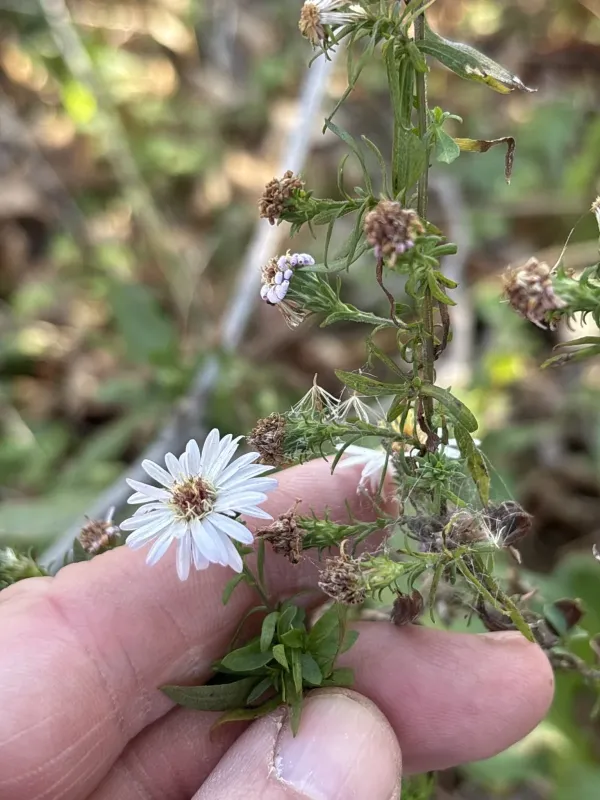
The Amethyst aster (Symphyotrichum x amethystinum) is a hardy perennial belonging to the Asteraceae family. This hybrid plant is highly valued for its striking violet-amethyst blossoms, which emerge in late summer and continue through late autumn.
For optimal growth, this plant requires full sun exposure, although it can tolerate light partial shade in warmer climates. Well-drained soil with a moderate nutrient content is essential to prevent root rot and ensure healthy development of the root system.
The plant is known for its high adaptability to varying climatic conditions, showing resilience against moderate drought once established. It thrives in temperate regions, where it survives winter temperatures without the need for extensive protection.
Standard agronomic practices for this species include thinning overcrowded clumps to maintain air circulation and vitality. Regular weeding and mulching around the base help retain soil moisture and suppress competition from unwanted vegetation.
Beyond its ornamental appeal, the Amethyst aster serves as a significant late-season nectar source for pollinators. Its inclusion in landscapes provides a critical food resource for bees and butterflies at a time when other flowers are scarce.
Main diseases and pests
Powdery mildew is the most common fungal issue affecting the Amethyst aster, especially in regions with high humidity or poor airflow. Maintaining proper spacing between plants is the most effective preventative measure against this disease.
Leaf spots caused by various fungi may also develop during wet growing seasons. Gardeners are advised to remove any affected foliage and ensure the surrounding area is kept clean of plant debris to prevent the overwintering of pathogens.
Aphids are typical pests that infest the tender new growth of the aster, leading to stunted stems and curled leaves. Regular inspections, especially during the spring and early summer, are necessary to detect early signs of infestation.
Spider mites can become a nuisance during hot and dry spells, causing the leaves to appear stippled or yellow. Increasing ambient humidity or using appropriate horticultural oils can help manage these populations effectively.
Root rot is rarely an issue unless the soil remains waterlogged for extended periods. Proper soil management, including soil amendments to improve drainage, is the key to preventing most underground health problems for this crop.