
New York aster
Symphyotrichum novi-belgii (L.) G. L. Nesom
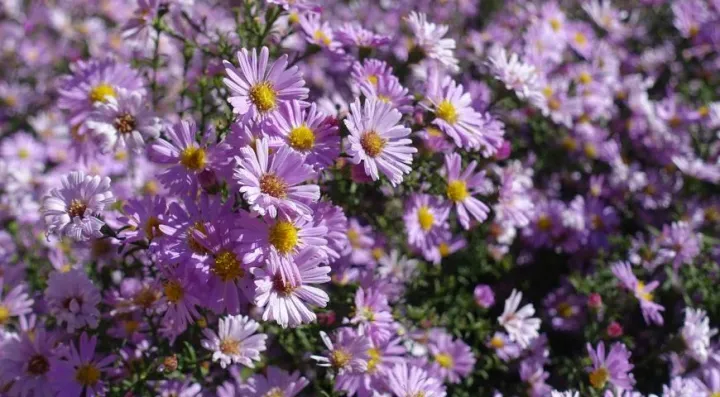
Description
Sowing dates
The most reliable method for propagating the New York aster is vegetative division of the root clump. This technique ensures that the offspring retain the specific characteristics of the parent plant and establishes a robust root system quickly.
The ideal time for division is either early spring as new growth begins to emerge or in late autumn after the plant has finished flowering. Spring division is generally preferred as it gives the plants a full growing season to establish.
While seed propagation is possible, it is not always true-to-type. If seeds are used, they require cold stratification to break dormancy. Sowing in autumn for natural overwintering is the most successful approach for germination in spring.
When transplanting, allow sufficient spacing of at least 50–60 centimeters between plants. This species tends to spread via rhizomes, and adequate space is necessary to ensure healthy airflow and prevent overcrowding.
Planting depth should be shallow, ensuring that the crown of the root ball is level with the soil surface. Watering immediately after planting helps to settle the soil around the roots and eliminates air pockets.
Growing requirements
Symphyotrichum novi-belgii, commonly known as the New York aster, belongs to the Asteraceae family. It is a hardy herbaceous perennial native to North America, adapted to moist meadows and open habitats.
This species thrives in full sun exposure. While it can tolerate partial shade, insufficient light will result in leggy stems that require staking and significantly reduced flower production throughout the autumn season.
The plant performs best in fertile, loamy, and well-draining soil. It is relatively moisture-loving and will appreciate consistent irrigation during dry spells to keep the foliage lush and prevent premature browning.
It is highly winter-hardy and does not require special winter protection in temperate climates. However, applying a layer of organic mulch in late autumn can help regulate soil temperature and retain moisture for the following spring.
Periodic fertilization is beneficial. Applying a balanced NPK fertilizer in the early spring encourages vigorous vegetative growth, while a phosphorus-rich boost before the flowering stage can enhance the vibrancy of the blooms.
Main diseases and pests
Powdery mildew is the most common disease affecting the New York aster, particularly in conditions with high humidity and stagnant air. It appears as a white, dusty fungal growth on the leaves and stems.
Maintaining proper spacing and ensuring the plant has good air circulation are the best cultural methods for prevention. Fungicide treatments may be necessary if an outbreak occurs during damp late-summer weather.
Pests such as aphids and spider mites can attack the succulent new growth. These pests extract sap, causing leaf distortion and yellowing, and can act as vectors for various plant viruses.
Nematodes may also affect the root system, causing stunted growth. Using certified disease-free stock and avoiding replanting in the same spot where previous infections occurred are essential management strategies.
Regular monitoring of the plants allows for early detection of threats. Integrated pest management, including the use of neem oil or insecticidal soaps, can effectively control most common arthropod pests without harming beneficial insects.