
Aromatic aster
Symphyotrichum oblongifolium (Nutt.) G. L. Nesom
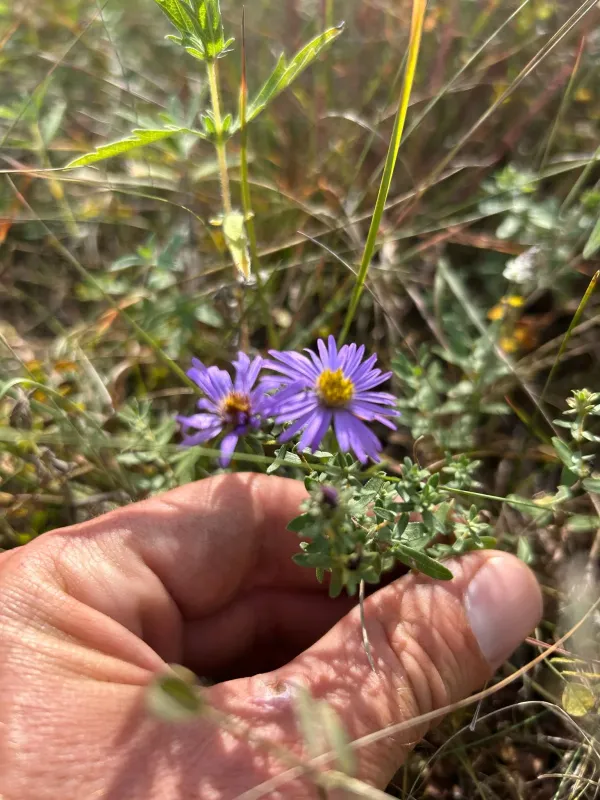
Description
Sowing dates
Aromatic aster seeds typically require a period of cold stratification to break dormancy and ensure consistent germination. This process mimics the natural winter conditions that the seeds would experience in their native habitat, preparing them for spring development.
Sowing in trays during early spring is recommended to control environmental factors. Seeds should be surface-sown on well-draining soil, as they need light for optimal germination, and then covered lightly with vermiculite or a fine layer of substrate to maintain moisture levels.
Transplanting seedlings to their final location is carried out after the risk of frost has passed. Spacing is crucial for this species, as it produces a bushy, spreading habit that requires adequate air circulation to prevent foliage disease development throughout the season.
Propagation through root division is also a highly effective method for established plants. Dividing the root clumps every few years helps rejuvenate the plant, preventing the center from becoming woody and promoting more vigorous growth in the upcoming seasons.
When dividing, ensure that each section has a healthy set of roots and buds. Plant the divisions immediately into prepared soil and provide adequate irrigation until the new root system has been fully established in the surrounding soil profile.
Growing requirements
As a member of the Asteraceae family, the aromatic aster is well-regarded for its adaptability to various soil types, including rocky, clay, and sandy soils. It thrives best in full sun, where the abundance of light facilitates strong, upright stems and profuse flowering.
The plant demonstrates excellent drought tolerance once established, making it a sustainable choice for water-conscious landscapes. Its deep root system allows it to withstand long periods of dry weather without supplemental irrigation, provided the drainage is sufficient.
Soil drainage is perhaps the most critical factor for successful cultivation. The aromatic aster performs poorly in waterlogged conditions, which can lead to root rot and systemic health issues, particularly during the dormant season in colder climates.
Regarding climate, this species is highly hardy and naturally equipped to endure significant temperature drops. It does not require winter protection, as it is native to regions where winter cycles are intense and prolonged, proving its robust nature.
Fertilizer application should be minimal, as the plant is adapted to nutrient-poor soils. Excessive nitrogen can lead to tall, floppy stems that may require staking to remain upright, potentially detracting from the natural aesthetic and structural integrity of the plant.
Main diseases and pests
Powdery mildew is the most common fungal disease associated with the aromatic aster, especially when the plants are grown in crowded conditions with limited airflow. Pruning and selective thinning are essential practices to ensure proper ventilation around the foliage.
Rust infections may occur on the leaves during periods of high humidity or excessive overhead watering. Removing infected foliage and improving the spacing between plants can help reduce the transmission of spores and keep the population healthy throughout the growing season.
Aphids and spider mites are frequent insect pests that target the terminal growth and floral buds. Regular scouting and the application of insecticidal soaps, when necessary, can manage these populations before they cause significant structural or reproductive damage.
Gastropods, such as slugs and snails, can cause significant damage to young shoots in moist weather. Applying barriers or using organic baits can help manage these populations in the early spring, protecting the tender new growth from being consumed.
Root rot, while less common than fungal leaf diseases, occurs in poorly drained soils where the plant remains saturated. To prevent this, focus on site selection and soil amendments that improve drainage, ensuring the roots remain healthy and aerated at all times.