
New England aster
Symphyotrichum novae-angliae (L.) G. L. Nesom
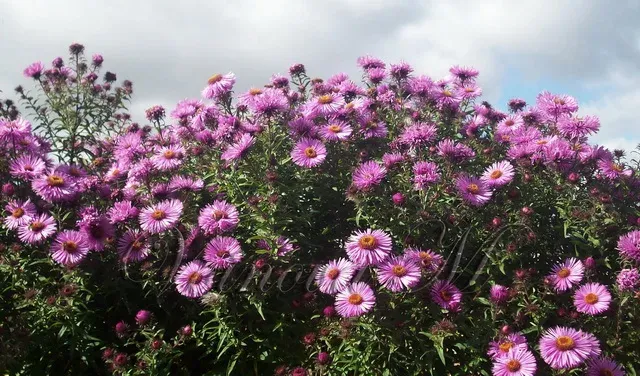
Description
Sowing dates
New England aster belongs to the Asteraceae family and is a robust perennial herb. In agricultural and horticultural settings, propagation is typically achieved through division of the root clumps, which is best performed in early spring.
Seed propagation is an alternative method, often used to develop specific varieties. Seeds should be sown in trays indoors during late winter or early spring to ensure a head start before transplanting into the field.
For direct seeding in open ground, cold stratification of seeds is highly recommended. This process mimics natural winter conditions, significantly improving germination rates once the soil temperatures rise in the spring.
The planting area must be prepared by clearing all invasive weeds to prevent competition. Proper soil aeration is essential, as the plant develops an extensive fibrous root system that requires adequate oxygenation.
When transplanting seedlings, space the plants sufficiently apart to allow for proper airflow. This initial spacing is crucial for managing the mature size of the plants and reducing the risk of fungal diseases.
Growing requirements
This species thrives in full sun, requiring at least six hours of direct sunlight daily. While it can tolerate partial shade, insufficient light will result in leggy stems and poor flower production.
New England aster prefers moist, fertile, and well-drained soils with a neutral pH. It is particularly well-adapted to loamy textures that retain moisture without becoming waterlogged during the rainy season.
As a highly hardy species, it withstands low temperatures during winter without special protection. It is a reliable choice for cold climates, capable of surviving harsh frost cycles effectively.
Routine care involves consistent moisture management, particularly during dry spells. Mulching around the base of the plant helps maintain soil humidity and suppresses unwanted weed growth effectively.
In terms of fertilization, a balanced compost application in spring is usually sufficient. Over-fertilization can lead to excessive vegetative growth at the expense of floral development, so use nutrients sparingly.
Main diseases and pests
Powdery mildew is the most common fungal disease affecting this plant. It is characterized by a white, dusty growth on leaves, typically triggered by high humidity levels or poor air circulation.
Rust infections can also occur, appearing as reddish-brown spots on foliage. Maintaining clean surroundings and removing infected leaves immediately helps prevent the spread of spores to healthy plants.
Spider mites are common pests that thrive during hot, dry weather conditions. Regular inspection of the underside of leaves is necessary to detect infestations early and apply appropriate acaricides.
Aphids often target young, succulent shoot tips. If found, a mild insecticidal soap application is usually effective in controlling these pests without harming beneficial garden insects too significantly.
Sanitation is a critical component of pest and disease management. Cutting back the entire plant to the ground in late autumn prevents pathogens and pests from overwintering in the plant debris.