
Hybrid Aster
Aster pringlei x novi belgii
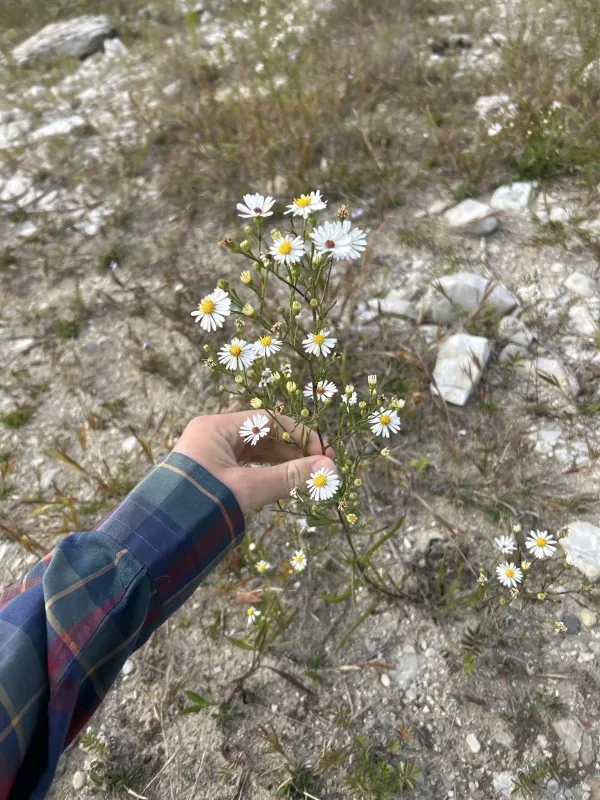
Description
Growing requirements
The Hybrid Aster (Aster pringlei x novi-belgii) belongs to the Asteraceae family. It is a highly valued perennial resulting from a cross-breeding process, combining the resilience of its parental species with superior ornamental characteristics.
These plants thrive in full sun conditions. While they may tolerate partial shade, exposure to direct sunlight is essential for maintaining strong, upright stems and ensuring a prolific bloom during the late season.
The ideal growing medium is a well-drained, fertile soil rich in organic matter. A neutral pH level is generally preferred to maximize nutrient uptake and overall plant vigor.
Climatic requirements involve moderate moisture and distinct seasonal changes. The plant is hardy, capable of surviving winter dormancy in many climates provided that the root system is protected from excessive frost heaving.
Agronomic management includes consistent irrigation during dry spells to prevent premature senescence. Additionally, deadheading faded flowers can promote secondary flushes of blooms in some cultivars.
Main diseases and pests
Powdery mildew represents the most significant pathological threat to this culture. It thrives in humid conditions with poor airflow, forming a white mycelial layer on the foliage.
Verticillium wilt is another serious concern, as it affects the vascular tissues and can cause sudden wilting and eventual death of the entire plant cluster.
Insect pests such as spider mites and aphids are frequently observed, particularly during hot and dry weather, causing chlorosis and stunting the growth of tender shoots.
Integrated pest management strategies should include monitoring and the use of targeted biological or chemical control agents when infestation thresholds are exceeded.
- Ensure proper spacing to facilitate air movement.
- Apply fungicidal treatments at the earliest signs of infection.
- Keep the planting area free of debris to reduce overwintering sites for pests.