
White heath aster
Symphyotrichum pilosum (Willd.) G. L. Nesom
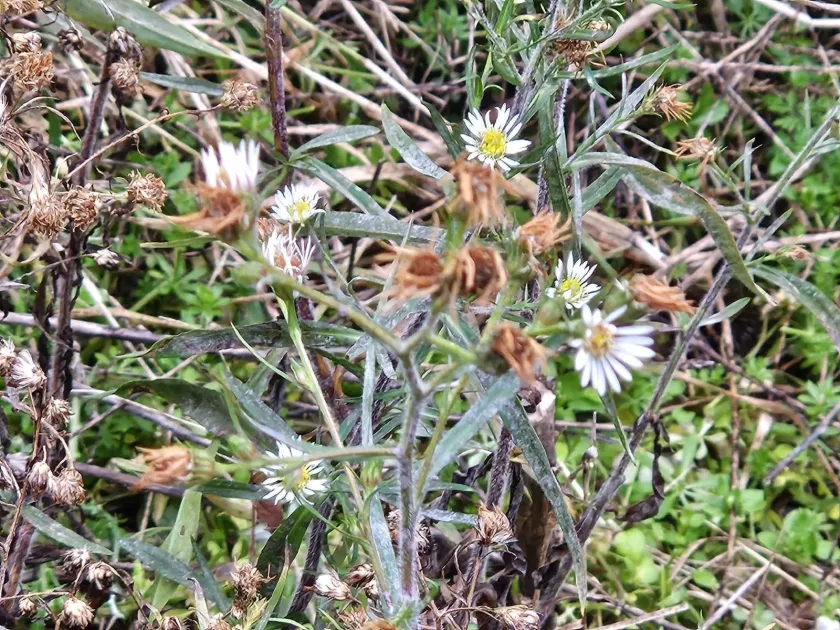
Description
Sowing dates
The sowing of Symphyotrichum pilosum is typically carried out in late autumn for winter dormancy, which ensures natural stratification. This process is essential for achieving uniform germination when favorable conditions return in early spring.
For indoor propagation or greenhouse cultivation, seeds should be sown in late February. Maintaining a temperature range between 18 and 20 degrees Celsius is crucial for consistent seedling emergence in a controlled environment.
Vegetative propagation via division is a highly effective method for multiplying stock. It is best performed in early spring before the onset of vigorous growth, allowing the newly divided plants to establish their root systems before the heat of summer.
Transplanting seedlings to the open field should occur after the final frost risk has passed. Optimal spacing typically involves 40-centimeter intervals between plants to ensure sufficient airflow and light penetration across the canopy.
Preparing the planting site with a balanced mineral fertilizer helps provide the necessary nutrients for initial growth. This practice is vital for promoting a robust root system, which acts as a foundation for long-term health and performance.
Growing requirements
As a member of the Asteraceae family, the white heath aster is highly adaptive to various environments. The plant thrives in full sun, which is necessary to maintain its structural integrity and encourage the development of abundant flowers.
The culture is not particularly demanding regarding soil composition, provided there is adequate drainage. Loamy soils with good aeration are ideal, whereas heavy, waterlogged soils should be avoided to prevent root diseases.
The plant exhibits significant drought tolerance once established, making it a sustainable choice for landscapes with minimal irrigation. However, supplemental water during peak flowering periods can enhance the visual quality of the blooms.
Optimal growth is achieved in soil with a neutral to slightly acidic pH. Excessive nitrogen fertilizer should be avoided, as it encourages excessive foliage growth that can detract from the plant's natural form and floral abundance.
With its high degree of hardiness, the species can withstand significant temperature fluctuations throughout the winter months. It is widely considered a reliable perennial that does not require additional winter protection in most temperate zones.
Main diseases and pests
Powdery mildew is a common concern, particularly in environments with high humidity and poor airflow. Managing plant density and ensuring proper spacing are effective preventative measures against this fungal issue.
Rust diseases can also affect the foliage during the late summer, potentially reducing the plant's aesthetic value. Sanitary practices, such as removing affected plant debris, are critical for managing the infection cycle.
Pests like aphids and spider mites may target the growing tips of the plants during dry spells. Regular inspection and the application of systemic insecticides are standard procedures for managing these infestations effectively.
Root rot remains a potential threat if soil drainage is inadequate. Ensuring that the soil remains well-draining and avoiding overhead irrigation in the evenings can significantly reduce the risk of pathogen accumulation.
Slugs and snails may occasionally feed on young spring growth. Utilizing physical barriers around the base of the plant or applying organic pest control methods can protect the foliage from significant mechanical damage.