
Heath aster
Symphyotrichum ericoides (L.) G. L. Nesom
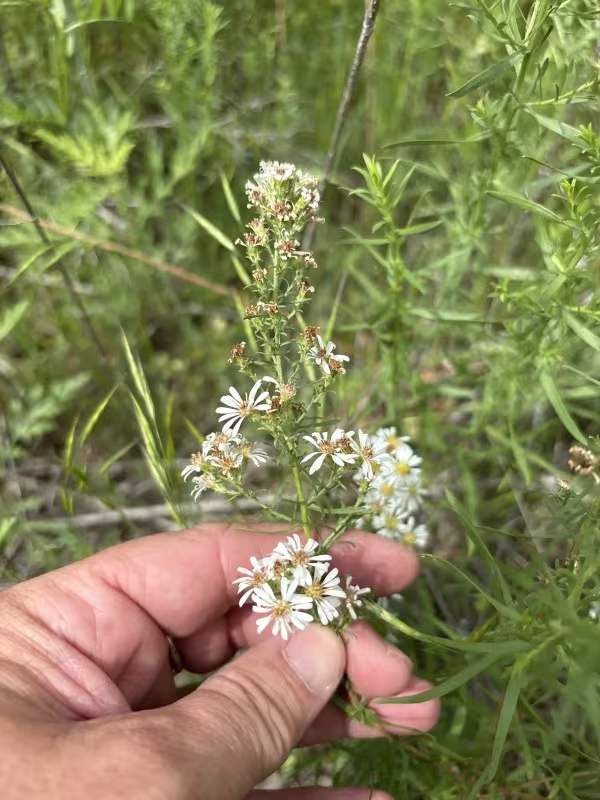
Description
Sowing dates
Heath aster is primarily propagated by dividing mature clumps during early spring or late autumn. This method ensures the new plants inherit the exact characteristics of the parent, making it ideal for maintaining uniform aesthetic standards in agricultural landscapes.
Seed propagation is also viable. Seeds should be sown in early spring or stratified in a cold frame. Due to their small size, they require minimal soil cover, as exposure to light is often necessary to trigger successful germination in this species.
When transplanting young seedlings, spacing is crucial for long-term health. A gap of 40 to 50 centimeters between individual plants is recommended to allow for full development and to maintain optimal airflow, which significantly reduces disease pressure.
Establishing the plants requires consistent moisture during the first few weeks post-planting. Once the root system is well-integrated into the soil, the plant becomes remarkably drought-tolerant, requiring minimal supplemental irrigation unless conditions are extreme.
First-year maintenance focuses on root establishment. While the plant may show limited vertical growth in the initial months, ensuring a weed-free environment and adequate soil nutrient levels will prepare the aster for vigorous growth in subsequent years.
Growing requirements
Symphyotrichum ericoides, commonly known as Heath aster, belongs to the Asteraceae family and is native to North America. It is a hardy, herbaceous perennial that has gained popularity for its high adaptability to varying temperate climate zones.
The plant thrives in full sun conditions, which are essential for producing its characteristic dense, heath-like foliage and abundant small white flowers. Shaded environments often lead to stunted growth and a significant reduction in blooming capacity.
Soil requirements are relatively flexible; however, the plant performs best in well-draining, slightly loamy, or sandy soils. It is highly intolerant of waterlogged conditions, which can lead to rapid decay of the root structure and loss of the plant.
Regarding climate, the Heath aster is remarkably resilient to cold temperatures. It is well-suited for regions with significant seasonal temperature fluctuations, provided the soil drainage prevents frost heaving during the winter months.
Fertilization should be handled with care. Excessive nitrogen can promote succulent, weak growth that is prone to lodging and pest attacks. A balanced, slow-release fertilizer applied in early spring is usually sufficient to support healthy, sustainable development.
Main diseases and pests
Powdery mildew is the most common fungal threat to Heath aster, particularly in humid, stagnant air conditions. Regular thinning and selecting sites with good wind movement are the most effective cultural controls against this persistent issue.
Aphids and spider mites are typical pests that infest the terminal shoots during periods of peak growth. Utilizing horticultural oils or insecticidal soaps can manage these populations effectively without disrupting the surrounding ecosystem or beneficial insect populations.
Root rot caused by Phytophthora or Pythium species may occur in improperly drained soils. Preventing soil saturation through proper site selection and using raised beds where necessary is the primary defense against these soil-borne pathogens.
Rust diseases can occasionally appear, manifesting as small pustules on the undersides of leaves. Sanitary removal and burning or disposing of affected foliage at the end of the season prevents overwintering of spores and reduces infection risk for the next year.
The overall resilience of the species is high. By maintaining a clean environment and avoiding excessive chemical interventions, the grower can foster a robust perennial population that serves as a reliable element in the local landscape.