
Suaeda taxifolia
Suaeda taxifolia
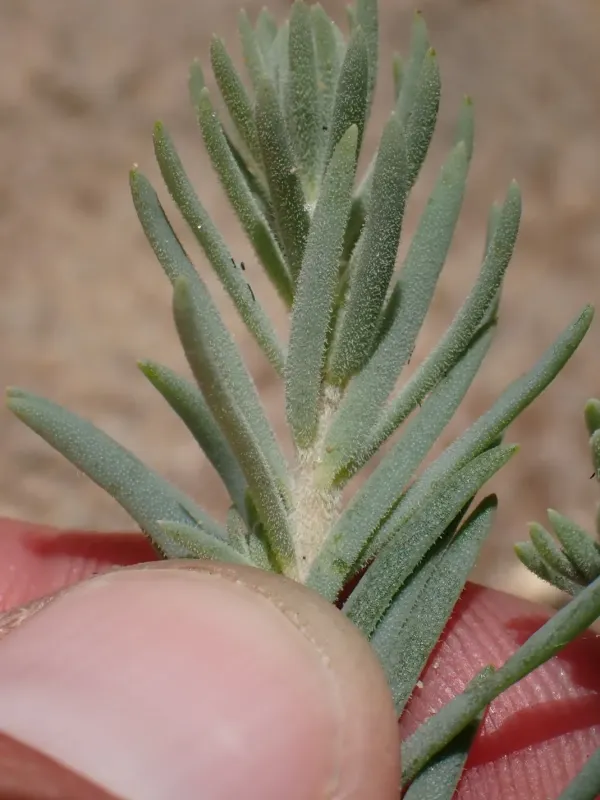
Description
Sowing dates
Suaeda taxifolia seeds should be sown directly into the soil during spring once the ground has warmed sufficiently. It is critical to ensure that the risk of late frosts has passed, as young seedlings are sensitive to low temperatures during the early stages of development.
The seeds exhibit high germination rates when adequate moisture is present in the top layer of the substrate. It is essential to prepare a high-quality seedbed to allow for uniform distribution of the seeds at a shallow depth of 1 to 2 centimeters.
In its natural habitat, this plant often propagates via self-seeding, but for agricultural purposes, row sowing is recommended to facilitate management. A spacing of 30 to 50 centimeters between rows ensures each plant has sufficient space for optimal development.
When cultivating on highly saline lands, sowing should be done on raised ridges to prevent waterlogging and reduce salt accumulation around the seeds. This technique is vital for the successful establishment of this halophyte.
Post-sowing irrigation is necessary to ensure good soil-to-seed contact and to stimulate germination. Subsequent watering should be adjusted based on soil type and the specific levels of salinity encountered in the field.
Growing requirements
Suaeda taxifolia is a true halophyte, which means its primary growth requirement is the ability to tolerate high salt concentrations in the soil solution. The plant thrives in environments where most common agricultural crops would perish due to osmotic stress.
It belongs to the Amaranthaceae family, subfamily Chenopodioideae. This biological trait allows the plant to effectively regulate its osmotic pressure by sequestering salts within its cellular tissues, thus maintaining metabolic functions under saline conditions.
The plant is highly heliophilous and prefers sunny, open locations. Sufficient light intensity is critical, as a lack of sunlight will lead to spindly, weak shoots and a significant reduction in overall biomass production.
While the crop is moderately flexible regarding soil composition, it grows best in sandy loam or light loamy saline soils. Proper root zone aeration is necessary to support the vigorous growth of the plant's above-ground parts.
The preferred climate for this species includes warm, arid regions common in coastal areas. Its high rate of transpiration allows it to maintain an active metabolism even during periods of intense summer heat.
Yield
The biomass yield of Suaeda taxifolia varies significantly based on soil fertility and irrigation management. Under intensive agronomic practices, the crop can produce substantial amounts of green matter suitable for animal forage.
In environments with extreme salinity where traditional fodder crops fail, Suaeda serves as a stable and productive alternative. This makes it an economically viable choice for the reclamation of degraded and salt-affected agricultural lands.
To maximize yields, the application of nitrogen fertilizers is recommended to stimulate vegetative growth. However, care should be taken to balance nutrient inputs to avoid altering the mineral composition of the plant tissue excessively.
Biomass can be harvested throughout the growing season, though nutritional value is highest during the active tillering stage before the stems become woody. Timely harvesting encourages the development of new side shoots.
Overall productivity is highly dependent on achieving optimal plant density per hectare. The planting density should be calibrated to match the availability of soil moisture and the specific local growing conditions.
Main diseases and pests
Suaeda taxifolia possesses a high level of natural resistance to many common plant pathogens, largely due to the high salt concentration in its tissues. This acts as an inherent defense mechanism against various fungal diseases.
Potential pests include specialized insects that feed on members of the Chenopodioideae family. These may include specific species of leaf-mining flies that can damage the plant's foliage under certain conditions.
Aphid infestations may occur during periods of unseasonably warm and humid weather, requiring regular field scouting. However, large-scale outbreaks are relatively uncommon for this particular crop.
Root rot can develop if the soil is systematically waterlogged, especially when combined with low ambient temperatures. Poor drainage is the primary factor that predisposes the plant to such fungal pathologies.
Effective weed control during the early stages of growth is essential for crop protection. Seedlings develop relatively slowly and can be easily outcompeted by more aggressive weeds during the first few weeks of life.
Harvesting
Harvesting is typically performed mechanically using forage harvesters. The cutting height should be managed carefully to leave sufficient nodes on the plant to allow for regrowth throughout the season.
For hay or silage production, it is important to ensure the biomass is at the correct moisture level before storage. Excess moisture can lead to spoilage given the plant's inherent mineral content.
When the crop is grown for seed production, it should be harvested at the stage of full maturity when the seeds turn dark. During this phase, it is vital to prevent mechanical seed shattering during transportation and threshing.
Post-harvest processing involves thorough drying on open air pads or in controlled drying facilities. This stabilizes the plant material for long-term storage and subsequent use in animal nutrition or other applications.
The harvested product should be stored in dry, well-ventilated structures protected from rain. Suaeda shows excellent storability provided that moisture levels are kept under strict control.