
Suaeda arguinensis
Suaeda arguinensis
Description
Growing requirements
Suaeda arguinensis is a resilient shrub belonging to the Amaranthaceae family. It is recognized for its extraordinary ability to thrive in hyper-saline environments, making it a subject of research for sustainable agriculture in arid coastal zones.
Originating from the coastal regions of Mauritania, this species has adapted to extreme conditions of salinity and high solar radiation. Its evolutionary history is tied to the harsh environments of the Arguin Bank, shaping its unique metabolic profile.
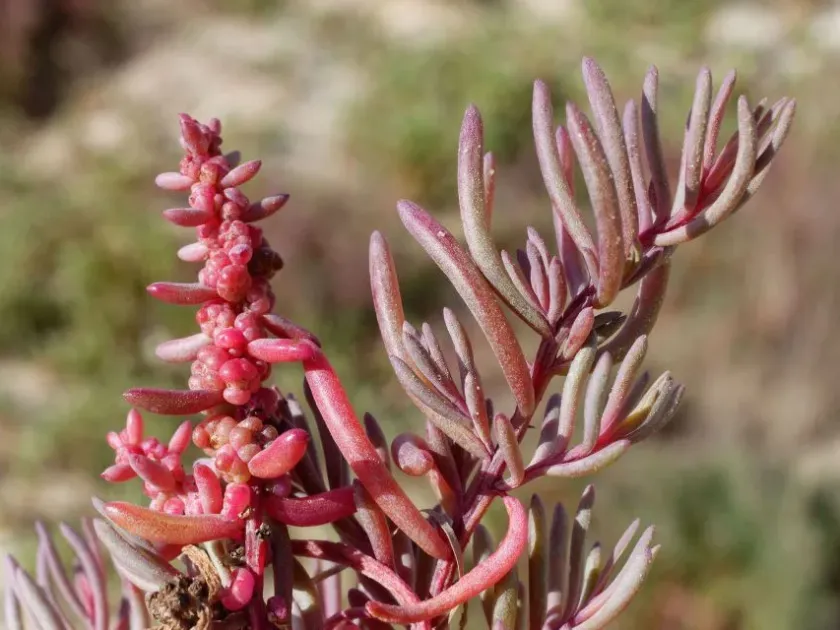
Botanically, the plant exhibits succulent characteristics, allowing it to store moisture and sequester high concentrations of salt. This adaptation is crucial for maintaining cellular homeostasis in the presence of high external osmotic pressure.
The plant thrives on saline soils where other species fail. It requires a substrate that mimics its natural habitat, emphasizing the importance of salinity management over traditional fertilization in its cultivation.
Agricultural use of Suaeda arguinensis focuses on phytoremediation of degraded lands and its potential as a secondary fodder source. It provides significant benefits for soil stabilization in coastal and inland salt-affected areas.
Main diseases and pests
The primary threats to Suaeda arguinensis include root pathogens, which are typically triggered by excessive exposure to fresh water or waterlogging. Maintaining the correct soil salinity level is vital to plant health.
Insect pests include specialized herbivores adapted to succulent halophytes. These pests can cause localized tissue damage to leaves and stems, potentially reducing the total harvestable biomass.
Environmental stress, particularly sudden changes in soil mineral composition, can affect the plant's growth rhythm. While it is highly tolerant of drought, extreme shifts in hydrological conditions may stress the root system.
Preventative measures involve rigorous field drainage and constant monitoring of soil salinity levels to ensure they remain within the optimal range for this species.
Effective management also requires the implementation of integrated pest control strategies that consider the unique ecological niche this plant occupies, avoiding unnecessary chemical interference.