
Suaeda confusa
Suaeda confusa
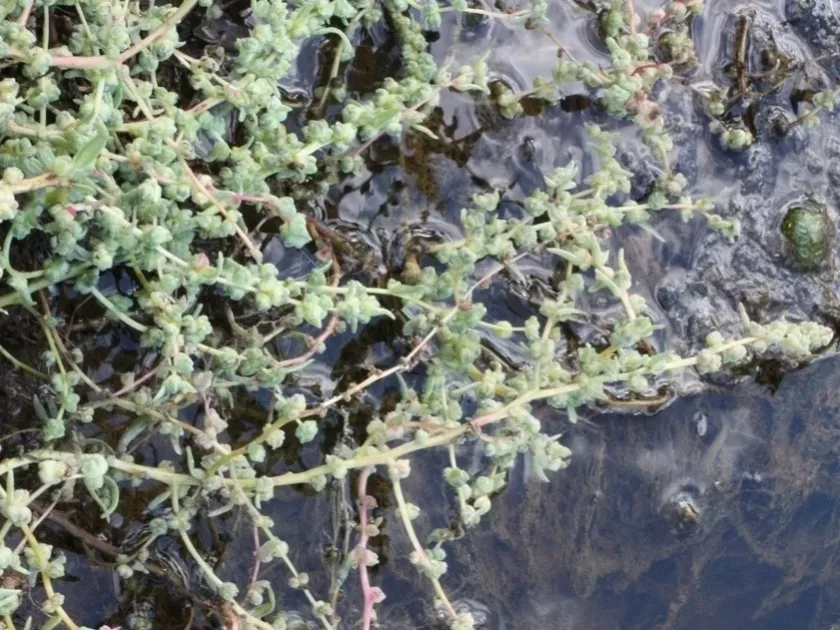
Description
Growing requirements
Suaeda confusa is a perennial halophyte belonging to the Amaranthaceae family. This species is specifically adapted to hypersaline environments where traditional crops fail to thrive. It is a vital plant for arid regions, functioning as a primary producer in extreme soil conditions.
Botanically, it is classified as a succulent, characterized by fleshy leaves and stems that store water to survive periods of intense drought. Its root system is exceptionally efficient at nutrient and moisture uptake in heavy, saline, and degraded soils.
The crop requires full solar exposure and high temperatures to reach its maximum productivity. In agricultural practice, it is valued for its ability to lower soil salinity through ion accumulation, effectively acting as a biological agent for land reclamation.
Regarding soil requirements, the plant is undemanding regarding organic content but thrives in alkaline conditions. It is highly resilient to high sodium and chloride levels, which are toxic to standard commercial crops, allowing for the productive use of otherwise barren lands.
Economically, Suaeda confusa serves as a hardy forage plant for small ruminants like sheep and goats in semi-desert landscapes. Research into its biomass potential for energy or industrial extraction is ongoing, highlighting its utility in sustainable desert farming.
Main diseases and pests
The primary threats to Suaeda confusa include root rot infections occurring primarily due to poor drainage and waterlogging in non-native, overly damp environments. Maintaining proper soil aeration is essential for preventing these fungal issues.
Specialized herbivorous insects, particularly beetles and certain lepidopteran larvae adapted to feeding on halophytic flora, are the most common pests. These pests can cause significant defoliation if they reach high population densities during the growing season.
Locust swarms represent a major risk, as the plant remains green and succulent during harsh dry spells when other vegetation dries up. Consequently, it becomes a preferred food source, potentially causing total destruction of the stand.
Weed competition during the seedling stage is critical. While adult plants are highly competitive and salt-tolerant, juvenile plants are susceptible to overcrowding by invasive weeds, necessitating early weed management programs in cultivated stands.
Improper harvesting intensity can jeopardize the long-term viability of the crop. Over-grazing or excessive biomass extraction without allowing for a recovery phase leads to root exhaustion, significantly reducing the lifespan of the plantation.