
Sea blite
Suaeda maritima
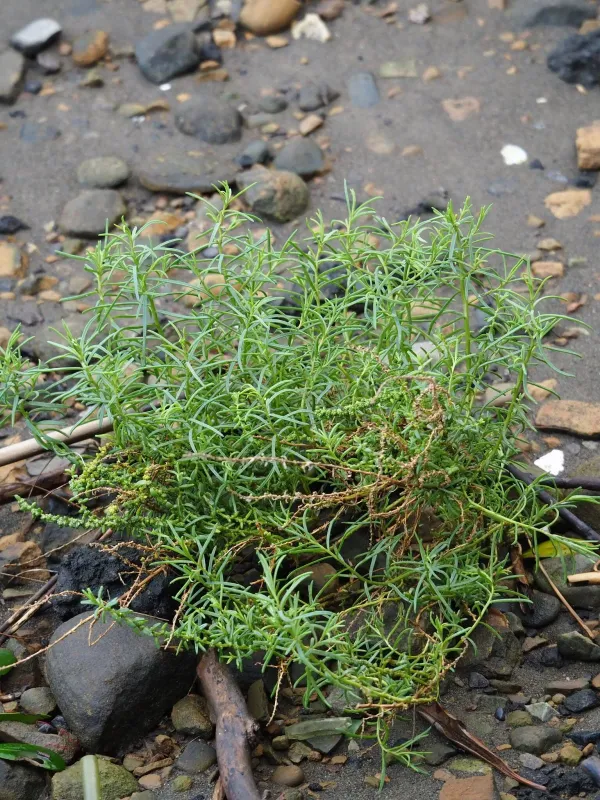
Description
Sowing dates
Suaeda maritima is a halophyte that requires specific conditions for successful germination. Sowing is typically carried out in early spring when natural rainfall helps to leach excess salts from the very top soil layer, creating a favorable window for seedling emergence.
Seeds are sown at a shallow depth of 1 to 2 centimeters. Because they are tiny, they do not have sufficient energy reserves to push through deep soil layers, so a fine, moist seedbed is essential for high germination rates.
Spacing between rows is generally kept at 30 to 40 centimeters to allow for proper airflow and to facilitate weed control. Proper spacing is crucial to prevent competition between plants and to ensure each individual receives enough light.
To speed up the process, growers often soak the seeds in water before planting. This helps overcome dormancy and ensures that the plants establish themselves before the onset of extreme summer heat and increased soil salinity caused by evaporation.
The timing of sowing is critical; if sown too late, the plants might face drought stress before their root systems are fully developed, which can stunt overall biomass accumulation during the season.
Growing requirements
Sea blite belongs to the Amaranthaceae family and is well-adapted to coastal habitats. It thrives in environments where most other crops fail, specifically on saline soils and in areas affected by brackish groundwater.
The plant is highly heliophilic and requires full exposure to sunlight. Shading leads to a significant decrease in growth rate and reduces the mineral density of the foliage, which is a key trait of this crop.
Soil requirements revolve around the presence of saline compounds. While it can survive in non-saline conditions, it performs best in soils with high sodium and chloride levels, which it actively processes and stores in its tissues.
Water management is vital. Although it is a halophyte, it is not drought-tolerant. Regular irrigation is necessary to maintain high water content in its fleshy leaves, which are the main part of the plant consumed for food or forage.
Regarding climate, sea blite prefers moderate temperatures. It is hardy enough to withstand the cool, windy conditions typical of coastal zones, but it grows most vigorously during warm, sunny weather conditions.
Yield
The yield of Sea blite is determined by the salinity level of the soil and the availability of water. Under optimal conditions, the plant produces a lush, dense canopy of green, succulent leaves and tender stems.
Commercial yields can be significant, especially when grown as a high-value vegetable crop in salt-affected areas. The ability of the plant to grow where others cannot makes it a highly productive choice for marginal lands.
Harvesting for maximum yield should be completed before the flowering stage. As the plant approaches its reproductive phase, the stems become woody and less palatable, significantly reducing the quality of the harvested biomass.
With proper management, including intermittent light pruning, the plant can regenerate new foliage throughout the growing season, allowing for multiple harvests and increasing the total seasonal output per hectare.
In addition to its biomass yield, the crop provides an essential service by decontaminating saline soils. As a phytoremediation tool, it effectively draws salt from the soil, improving the ground for potential future use.
Main diseases and pests
Pests are a primary concern, with aphids being the most common threat. These insects target the young, tender growth at the top of the plant, potentially causing severe damage to the yield if left uncontrolled.
Diseases such as root rot can occur if the soil is kept overly saturated without proper drainage. While the plant likes moisture, stagnant water creates a low-oxygen environment that encourages fungal pathogens.
Powdery mildew can become an issue in the latter part of the summer, especially if the planting density is too high and air circulation is insufficient, leading to high humidity levels around the foliage.
Soil-borne insects and larvae can damage the root neck of young seedlings. Pre-sowing soil preparation, such as slight drying or controlled mechanical disturbance, can help mitigate these risks without heavy chemical use.
Integrated pest management is recommended, focusing on maintaining plant vigor through proper spacing and balanced irrigation, which naturally makes the plants more resistant to opportunistic infections and pests.
Harvesting
Harvesting Sea blite is best performed early in the morning when the leaves are fully turgid and have the highest mineral content. This ensures the best culinary quality and shelf life for the produce.
Manual harvesting is the preferred method for high-quality produce. It allows for the selective collection of young shoots, ensuring that only the most tender and succulent material is gathered for consumption.
For industrial applications, mechanical harvesters are used to cut the plants at a specific height. Care must be taken to ensure the equipment is clean and calibrated to avoid damaging the brittle succulent stems.
Post-harvest care is crucial as the fleshy leaves lose moisture quickly. Cooling the product immediately after collection is necessary to maintain its freshness and prevent wilting during transportation to the market.
The harvested product is valued for its unique, salty flavor profile. It is popular in modern gastronomy as a natural salt substitute or as a premium garnish that pairs exceptionally well with seafood and coastal cuisines.