
Sticky stylo
Stylosanthes viscosa (L.) Sw.
Description
Growing requirements
Sticky stylo (Stylosanthes viscosa) is a perennial leguminous plant belonging to the family Fabaceae. It is highly valued for its ability to thrive in harsh environments where other forage crops fail.
Native to South America, this species has been introduced to various tropical regions worldwide. It is specifically recognized for its adaptation to infertile, acidic, and sandy soils.
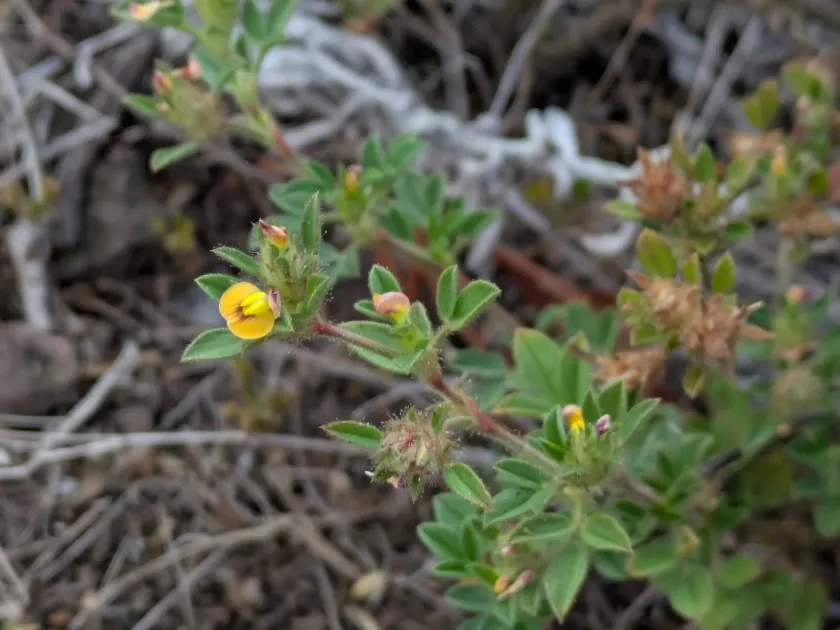
The plant gets its common name from the glandular hairs that secrete a sticky substance on its surface. This unique trait is an evolutionary adaptation that helps the plant manage moisture and defend against certain insects.
Sticky stylo is remarkably drought-tolerant, making it an excellent choice for pasture development in regions with unpredictable rainfall patterns. It performs well in poor soils due to its strong nitrogen-fixing capabilities.
Farmers use this plant primarily for livestock grazing. It serves as a high-protein feed source, significantly improving the biomass quality of native grasslands and depleted range areas.
Main diseases and pests
The most significant disease threatening Sticky stylo production is anthracnose, which can severely impact yield if humidity levels remain high for extended periods.
Pests such as seed-feeding weevils and various lepidopteran larvae can cause significant damage to the floral and reproductive structures of the plant.
Poor soil drainage is a major threat to root health, often leading to the onset of various fungal root rots that are difficult to manage once established.
Invasive weed species can outcompete Sticky stylo during the establishment phase, making effective field preparation essential for a successful stand.
Integrated pest management strategies are recommended to minimize losses, focusing on selecting disease-resistant cultivars and maintaining proper pasture rotation practices.