
Stylosanthes scabra
Stylosanthes scabra Vogel
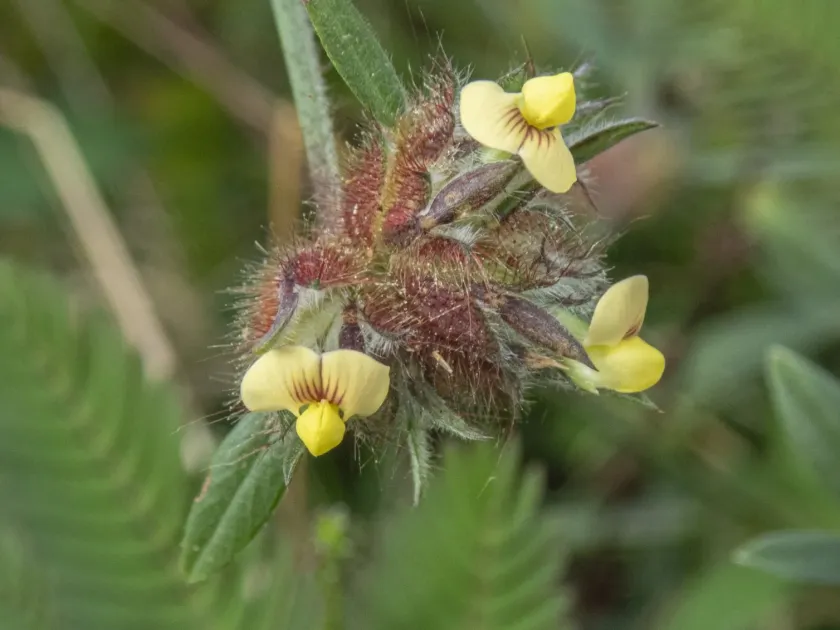
Description
Sowing dates
Stylosanthes scabra is typically sown at the beginning of the rainy season to ensure optimal moisture for seed germination and seedling establishment.
Before sowing, it is essential to scarify the seeds to overcome their physical dormancy, which significantly improves the field germination rate.
The seeding rate can vary depending on the target density, typically ranging from 2 to 5 kilograms per hectare when established on prepared seedbeds.
Shallow planting at a depth of 1 to 2 centimeters is crucial to allow the small seeds to emerge effectively without being buried too deep in the soil.
During the first few weeks, the plants grow slowly, requiring minimal weed interference to prevent the seedlings from being overshadowed by competitive vegetation.
Growing requirements
Belonging to the Fabaceae family, this species is native to South America and is widely recognized for its adaptation to low-fertility tropical soils.
The plant thrives in acidic soils with high aluminum saturation, where other forage species often fail to persist or produce adequate biomass.
It is exceptionally drought-tolerant, possessing a deep taproot system that enables it to maintain green foliage even during extended dry periods.
Waterlogging is a major limiting factor for Stylosanthes scabra, necessitating the selection of well-drained slopes or sites with sandy textures.
Being a tropical plant, it is strictly intolerant of frost, requiring warm temperatures year-round to maintain active growth and metabolic functions.
Yield
The primary use of this legume is as a high-protein pasture source, providing essential nutrients to livestock during the dry season when grasses dry out.
Yields are highly dependent on soil phosphorus levels and grazing management, typically producing between 10 and 15 tons of dry matter per hectare annually.
Its ability to fix atmospheric nitrogen improves soil fertility, benefiting associated grass species and enhancing overall pasture productivity.
The plant is highly palatable to cattle and sheep, leading to significant liveweight gains when integrated into sustainable grazing systems.
Natural reseeding is a significant advantage, as the plant can maintain pasture density over several years without requiring frequent reseeding operations.
Main diseases and pests
Anthracnose, caused by the fungus Colletotrichum gloeosporioides, is the most serious disease affecting this crop and can cause complete stand failure.
Insect pests, such as leaf-eating larvae and seed-boring weevils, can significantly decrease foliage production and reproductive success during the flowering phase.
High humidity and poor aeration within the canopy create favorable conditions for pathogens, exacerbating the spread of fungal diseases.
Developing and utilizing anthracnose-resistant cultivars is the most sustainable strategy for managing this threat in large-scale agricultural projects.
Proper grazing management that avoids overstocking helps maintain plant vigor, making the crop more resilient to various environmental stressors and infections.
Harvesting
When harvested for hay, cutting should occur before full bloom to ensure the highest protein content and maintain leaf quality during storage.
Stubble height must be maintained at 15-20 centimeters to protect the crown and growing points, allowing for rapid regeneration after harvesting.
Seed harvesting requires careful timing, as the mature pods can shatter easily, leading to significant losses if the crop is left in the field too long.
Mechanical harvesting of seeds often involves swathing followed by pick-up threshing to handle the crop effectively without excessive material loss.
In most commercial applications, the crop is utilized directly through managed grazing, which serves as the most efficient and cost-effective harvest method.