
Stylosanthes capitata
Stylosanthes capitata Vogel
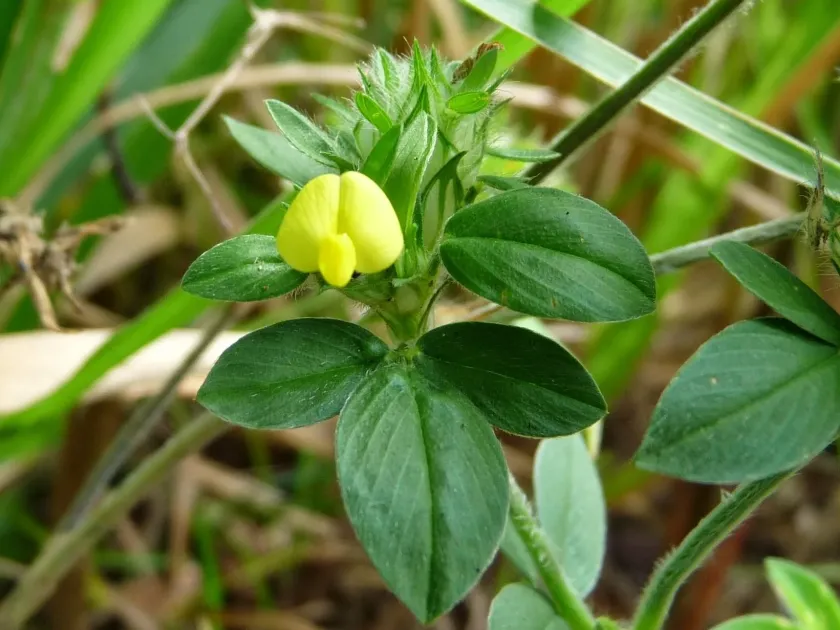
Description
Growing requirements
Stylosanthes capitata is a perennial herbaceous legume belonging to the family Fabaceae. Native to the tropical savannas of South America, particularly Colombia and Venezuela, it has become an essential plant for sustainable grazing systems in tropical regions.
The crop is highly valued for its exceptional performance in acidic, nutrient-deficient soils, where it demonstrates superior growth compared to other forage legumes. It excels in environments where soil phosphorus levels are naturally low and other minerals are poorly available.
Climate adaptation is a key feature of this species; it thrives in tropical zones with distinct wet and dry seasons. It possesses a deep root system that supports plant survival during prolonged drought periods, ensuring green forage availability when other grasses have withered.
Proper field drainage is critical for the success of Stylosanthes capitata. Although it is drought-tolerant, it shows extreme sensitivity to waterlogged conditions, which can lead to rapid onset of root rot and subsequent population decline.
Agricultural utilization of this plant extends beyond simple forage production. It is frequently employed in land reclamation projects to improve soil nitrogen levels through symbiotic fixation and to prevent erosion on degraded hillsides in humid tropical climates.
Main diseases and pests
The primary biotic constraint for Stylosanthes capitata is anthracnose, a disease caused by the fungus Colletotrichum gloeosporioides. This pathogen can cause severe damage to the foliage and stems, drastically reducing the quality and quantity of the forage output.
Insect pests, specifically lepidopteran larvae, can cause significant defoliation in commercial stands. Integrated pest management strategies are often required to maintain stand longevity, alongside the selection of anthracnose-resistant cultivars developed by agricultural research centers.