
Green needlegrass
Stipa viridula Trin.
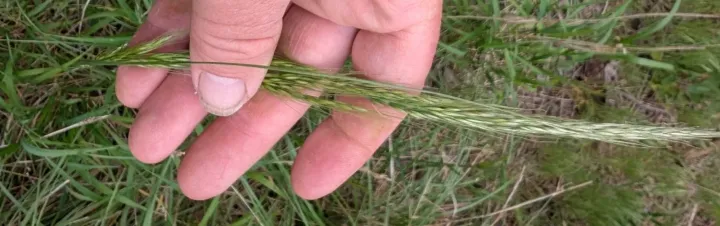
Description
Sowing dates
Green needlegrass is a perennial bunchgrass that is best sown in early spring as soon as soil temperatures reach 5-8 degrees Celsius. Early sowing allows the plant to take advantage of soil moisture, which is essential for uniform germination.
The seeding depth should be shallow, typically 1 to 2 centimeters, as the small seeds have limited energy reserves. Using precise drills ensures an even stand, which is critical for establishing a productive field.
Packing the soil after seeding is a recommended practice to ensure good seed-to-soil contact. This prevents the upper soil layer from drying out too quickly and provides the necessary stability for emerging seedlings.
In arid environments, fall seeding can be an effective alternative, allowing the seeds to undergo natural winter stratification. However, producers must manage the risks associated with premature germination during winter warm spells.
The recommended seeding rate varies by site potential, usually ranging from 8 to 12 kilograms per hectare. Proper plant density minimizes competition from weeds during the vulnerable early growth stages.
Growing requirements
This species is highly adaptable, preferring well-drained soils ranging from loamy to rocky textures. It thrives in soils with moderate fertility and is particularly well-suited for alkaline environments common in prairie ecosystems.
Proper soil aeration is crucial, as green needlegrass does not tolerate waterlogged conditions or sites where surface water remains stagnant for long periods. Poor drainage significantly increases the risk of root health issues.
One of the primary benefits of this crop is its exceptional winter hardiness and drought tolerance. These traits make it an excellent choice for reseeding degraded pastures in regions with harsh climatic conditions.
Green needlegrass requires full sun for optimal photosynthesis and growth. It should not be planted in shaded areas or near dense woodland, as light competition will significantly reduce its productivity and lifespan.
The ideal soil pH for this grass ranges from 6.5 to 8.0. While it can withstand slightly salty or alkaline soils, extremely acidic conditions will inhibit root development and decrease overall forage yield.
Yield
The yield of green needlegrass is highly dependent on climatic conditions and the age of the stand. When managed correctly, it provides a consistent and high-quality source of forage for livestock.
In managed grazing systems, hay yields can reach 20 to 35 quintals per hectare depending on rainfall. The nutritional quality of the forage remains highest if the crop is harvested before seed heads fully harden.
Seed production is most viable in stands that are in their second or third year of growth. Under ideal conditions, seed yields can reach 3 to 5 quintals per hectare, provided the harvest is timed correctly.
Strategic nitrogen fertilization can boost biomass production, although the plant is well-adapted to lower-input systems. Monitoring soil nutrient levels is advisable to prevent premature thinning of the stand.
Rotational grazing is the best practice for maintaining stand longevity. Giving the plants adequate rest periods between grazing cycles allows them to replenish carbohydrate reserves in the root system.
Main diseases and pests
Fungal diseases, such as rust and powdery mildew, can affect the crop during periods of high humidity. These diseases primarily impact the quality of the green forage and can lead to reduced livestock acceptance.
Insects like grass bugs or aphids can cause damage during the intensive growth phase. Field scouting is essential to identify infestations early and determine whether intervention is necessary to protect the yield.
Root rots are often a symptom of poor site selection or inadequate soil drainage. Infected areas show thinning or stunted growth, which can gradually spread if soil conditions are not managed.
Weed control is critical during the establishment year to ensure the grass becomes the dominant species. Mechanical methods are preferred, and any herbicide usage must comply with local regulations for forage crops.
Lepidopteran larvae may feed on foliage in outbreak years, reducing photosynthetic capacity. Diversified crop rotations and keeping field borders clean help minimize the impact of these agricultural pests.
Harvesting
Hay harvest should ideally take place during the early heading stage, before the grass starts to build up significant fiber. This ensures the highest concentration of protein and digestible energy.
When harvesting for seed, a swathing method is recommended to account for the tendency of seeds to shatter. Allowing the crop to dry in the swath ensures a higher recovery rate and seed quality.
A cutting height of at least 8 to 10 centimeters is essential for maintaining plant health. This height protects the growing crown from extreme heat and helps ensure rapid regrowth of the aftermath.
After cutting, the forage should be dried until the moisture content falls to 16-18% before baling. Proper drying is the most effective way to prevent mold and spoilage in storage.
Storing bales in a dry, ventilated structure is necessary to preserve the nutritional value throughout the winter. Periodic checks for internal moisture are advised to ensure long-term storage safety.