
Nees' needlegrass
Stipa neesiana Trin. & Rupr.
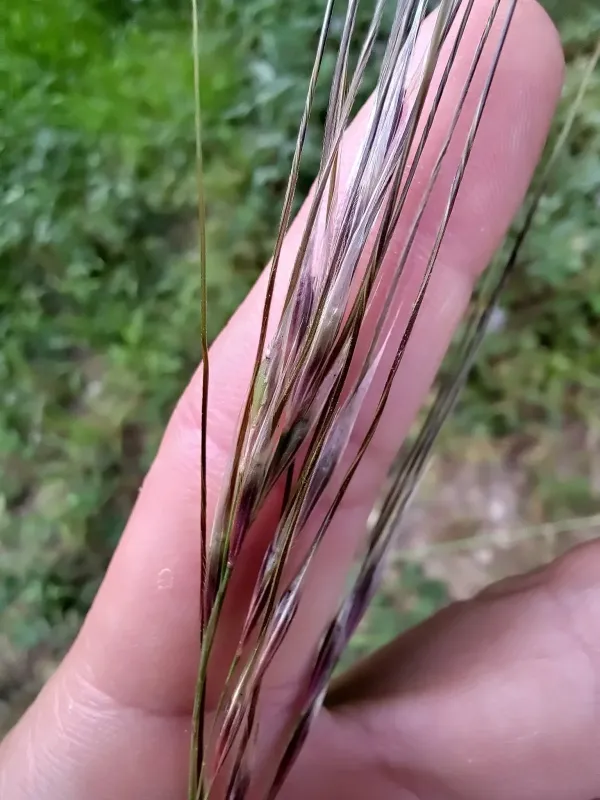
Description
Sowing dates
The optimal sowing time for Nees' needlegrass is early spring, once soil temperatures stabilize between 8 and 10 degrees Celsius. Adequate moisture in the seedbed is essential for ensuring uniform germination.
In regions with milder winters, late autumn sowing is an option. This practice allows the seeds to benefit from winter moisture, leading to earlier emergence during the spring season.
Seeds should be placed at a depth of 1 to 2 centimeters. Using precise seeding equipment helps maintain consistent depth, which is critical for the establishment of a healthy crop.
Row planting with spacing between 15 and 20 centimeters is recommended. This setup facilitates effective weed control and ensures that individual plants have sufficient space for root development.
Before sowing, seeds must be thoroughly cleaned and calibrated. In some cases, light stratification or mechanical scarification may be necessary to improve the germination rate of the batch.
Growing requirements
Nees' needlegrass belongs to the Poaceae family. It is a perennial grass species that exhibits strong adaptation to arid and semi-arid environments.
The plant thrives in well-drained sandy or loamy soils. It avoids waterlogged conditions and heavy clay soils where root respiration might be restricted due to poor aeration.
This grass is highly drought-tolerant, utilizing an extensive root system to extract moisture from deeper soil layers during prolonged dry spells.
It performs best in full sunlight, as shade tolerance is limited. Adequate exposure to sunlight is crucial for maintaining vigor and ensuring the longevity of the stand.
The crop is not highly demanding regarding soil nutrients, but it responds well to balanced phosphorus and potassium applications during the active growing phase.
Yield
The productivity of Nees' needlegrass is influenced by the density of the stand and the age of the crop. Mature stands usually reach peak production in their second or third year.
In favorable conditions, the forage yield can reach 10 to 25 centners per hectare. Variations depend significantly on annual precipitation levels and regional climate patterns.
Management should focus on rotational grazing or timely cutting to maximize utilization. Avoiding overgrazing is vital to prevent soil erosion and ensure the plant's long-term health.
Cultural practices such as early spring harrowing can help clear debris and stimulate new growth by aerating the soil surface.
Seed yield varies by year and depends on the success of the flowering phase. Managing the environment for pollinators and favorable weather during anthesis is key to high seed outputs.
Main diseases and pests
Rust diseases are the primary concern for this species, especially during periods of high humidity and fog. These infections can severely impact foliage quality.
Powdery mildew may also occur, manifesting as white fungal growth on leaves and stems, which reduces the plant's photosynthetic efficiency and overall biomass.
Insects like cereal flies can cause damage during the seedling stage. Monitoring the population levels of these pests is essential for protecting young stands.
Aphids can infest plants in colonies, leading to stunted growth and leaf curling. Chemical or biological controls should be applied if damage exceeds threshold levels.
Prevention focuses on maintaining optimal plant spacing to allow air circulation and avoiding excessive nitrogen fertilization, which can create a microclimate favorable for pathogens.
Harvesting
Harvesting for forage should occur before mass heading. At this vegetative stage, the nutritional content, including protein and soluble sugars, is at its peak.
Effective hay-making requires rapid drying under sunlight to preserve nutritional quality and color. Excessive rain during the curing process can lead to significant nutrient leaching.
Seed harvest is performed at the wax-ripe stage. Given the propensity of needlegrass to shed seeds, timing is critical, and harvest should be completed quickly once maturity is reached.
Mechanical harvesting requires careful adjustment of combine settings to avoid crushing the seeds while ensuring effective separation from the panicles.
Post-harvest processing involves cleaning and drying the seeds to a moisture level of 12-14% to ensure long-term viability and prevent mold growth in storage.