
Stipa pulchra
Stipa pulchra Hitchc.
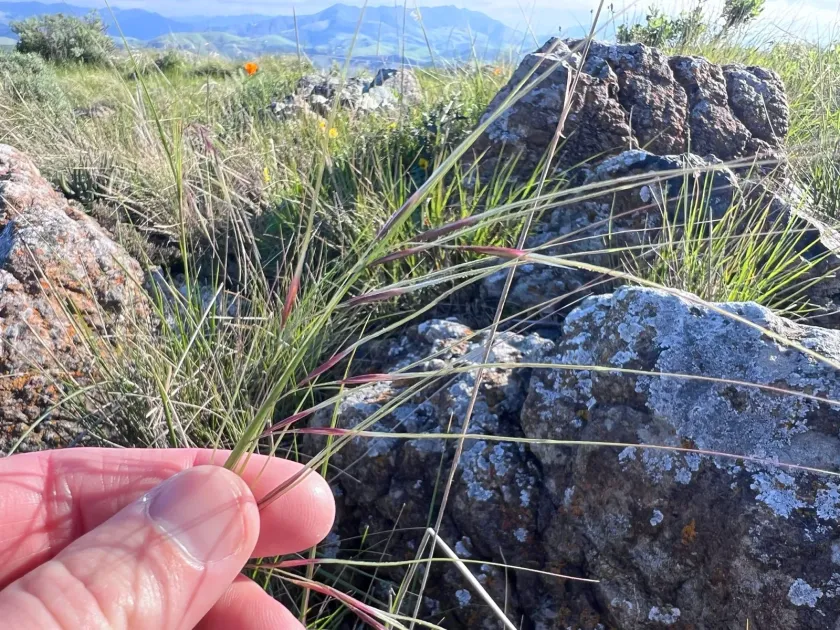
Description
Sowing dates
Sowing Stipa pulchra is best performed in the autumn or early spring. Autumn sowing is often preferred as it allows the seeds to undergo a natural period of cold stratification, which is essential for ensuring high and uniform germination rates once spring arrives.
The seeds should be planted at a shallow depth, usually around 1 to 2 centimeters. Ensuring proper soil contact is vital; the seeds need a stable, slightly moist environment during the initial germination phase to successfully develop their primary root system.
Preparing the seedbed is a critical step. The site must be completely cleared of aggressive perennial weeds and rhizomatous grasses, as Stipa pulchra establishes slowly and cannot compete with fast-growing invasive plant species during its first year of growth.
For agricultural or restoration purposes, a row-sowing method is recommended, with spacing between 30 and 45 centimeters. This layout allows for easier weed control and provides the necessary space for the plants to develop their characteristic dense bunches.
After germination, young plants require careful monitoring. While they are inherently hardy, the first few months are critical, and protecting the seedlings from dehydration or mechanical damage is necessary for successful field establishment.
Growing requirements
Stipa pulchra is a sun-loving plant that demands full exposure to direct sunlight throughout the day. Any form of shading or competition for light significantly inhibits its growth, leading to weak stems and a reduction in the plant's natural aesthetic and vigor.
The species thrives in well-drained soils, preferably with a sandy or rocky composition. It is highly sensitive to waterlogged conditions, which can lead to root rot; therefore, selecting a site with natural drainage or creating raised beds is highly advisable.
This grass is exceptionally drought-tolerant once it is well-established. Its deep root system allows it to access water reserves in deeper soil horizons, making it an excellent candidate for xeriscaping or restoring degraded dryland areas.
The plant demonstrates remarkable cold hardiness, capable of surviving harsh winter conditions without the need for additional protection. It is well-adapted to wide temperature fluctuations, typical of its native prairie and grassland habitats.
Fertilization should be kept to an absolute minimum. Excess nitrogen stimulates rapid leaf growth at the expense of root development and reproductive success, making the plants more susceptible to lodging and environmental stress.
Main diseases and pests
The primary threat to Stipa pulchra stands is prolonged soil saturation during the dormant season. Poorly drained sites are high-risk zones, as excessive moisture leads to fungal pathogens attacking the crown and roots of the plants.
In terms of insect pests, aphids and certain species of grass flies can cause damage to the foliage and stems. Integrated pest management, focusing on early detection and biological control, is the preferred approach to maintain healthy plant stands.
Weed encroachment remains the most consistent challenge, especially in newly established plots. Competitive annual and perennial weeds can quickly outgrow the seedlings, necessitating frequent manual or light mechanical weeding until the grass matures.
In regions with high humidity during the growing season, powdery mildew can occur. Maintaining proper plant spacing and ensuring good airflow across the field are the most effective cultural methods for preventing the spread of fungal diseases.
Additionally, burrowing rodents can damage the root systems during the winter. Monitoring the site and implementing preventative measures around the periphery of the field can help minimize losses from wildlife activity.