
Esparto grass
Stipa tenacissima Loefl. ex L.
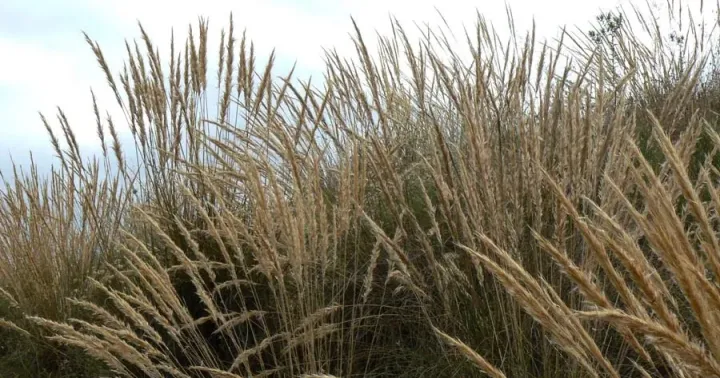
Description
Sowing dates
Esparto seeds are primarily sown in the spring when the soil has sufficiently warmed, which is critical for the germination of this perennial grass. In its natural habitat, reproduction can occur through self-seeding; however, in industrial-scale operations, seedlings are typically prepared for transplanting.
Site preparation requires deep plowing, as the plant develops a robust root system that penetrates deep into the soil. In cooler regions, seeds may require stratification to improve germination rates, although varieties in the Mediterranean are well-adapted to drier conditions.
Optimal planting density is calculated based on the intended use of the plantation. For high-quality fiber production, plants are arranged in rows with adequate spacing to minimize competition for moisture and nutrients, allowing for the formation of dense, healthy tussocks.
Young seedlings require protection from weeds, which can suppress growth during the early stages of vegetation. The plant develops relatively slowly during its first year while establishing its root system, making consistent care during this phase essential for future harvest stability.
Once established, the plant becomes extremely resilient to harsh environmental conditions. A well-managed plantation can provide consistent fiber yields for several decades, making esparto a long-lasting and economically viable crop for arid and semi-arid regions.
Growing requirements
Esparto grass (Stipa tenacissima), a member of the Poaceae family, is a quintessential xerophytic plant. It is perfectly adapted to the harsh conditions of the Mediterranean basin, capable of surviving extreme, prolonged droughts and high-temperature spells.
The crop prefers stony, calcareous, and sandy soils where other agricultural crops would fail to produce significant biomass. It is highly sensitive to waterlogging and soil moisture stagnation, which is why well-drained slopes are the primary locations for cultivation.
Esparto requires ample sunlight and open spaces for proper development. Shade significantly inhibits growth and negatively affects the synthesis of fibers within the leaves, leading to reduced strength and elasticity, which directly impacts the quality of the raw material.
In low-rainfall conditions, the plant enters a water-saving mode by curling its leaf blades. This specialized morphological adaptation allows esparto to maintain metabolic activity even when soil water availability reaches critical minimum levels.
The agronomic management of esparto involves minimal fertilization, as the plant is naturally evolved to thrive in nutrient-poor soils. Excessive nitrogen can cause an imbalance, promoting lush leaf growth at the expense of fiber quality; therefore, any supplemental feeding is conducted with extreme caution.
Yield
The yield of esparto is measured by the volume of technical fiber harvested per hectare. Because the harvesting cycle is repeatable, yield stability depends heavily on the intensity and health of the plant's vegetative recovery after cutting.
In favorable years with sufficient winter and spring precipitation, plantations can produce a significant amount of biomass. Efficient management practices in specialized farms allow for increased extraction rates and improved output of the final product.
The main harvest consists of the tough basal leaves, which contain high-quality cellulose fibers. The timing of the harvest is crucial, as the degree of plant maturity directly influences the mechanical properties of the fiber produced.
Economic profitability is closely linked to logistics, as primary cultivation sites are often located in remote, arid areas. Traditional harvesting is frequently done manually, which is labor-intensive but ensures the high purity of the raw material collected.
As plantations age, the rate of biomass production may decline, necessitating rejuvenation techniques. Regular trimming and controlled harvesting help stimulate the growth of new shoots, ensuring the long-term viability and productivity of the plantation site.
Main diseases and pests
Forest fires are the primary threat to esparto plantations, especially in arid regions. While the plant has an inherent ability to regenerate after fire, frequent burning depletes the root system's reserves and significantly reduces the crop's long-term productivity.
Fungal diseases can affect the leaves during unusually wet springs. Excess humidity promotes the development of rusts and leaf spots, which impair the commercial quality of the fiber and deteriorate the structural integrity of the plant tissues.
Pests, particularly specific species of grasshoppers, pose a serious threat by defoliating the plants. Mass outbreaks can consume the annual biomass increment, necessitating active monitoring and the implementation of appropriate control measures.
Livestock grazing represents another significant risk: uncontrolled access of animals to plantations leads to the trampling of young shoots and soil compaction. Fencing off areas is a standard requirement for maintaining the health and density of the crop.
Soil erosion on steep slopes, where this crop is often cultivated, requires the implementation of anti-erosion measures. While the deep root system of esparto is an excellent natural tool for stabilizing slopes, severe heavy rainfall can still cause mechanical damage to the stands.
Harvesting
Harvesting usually takes place during the summer, when the moisture content in the plant tissues is at its lowest. This facilitates subsequent drying, which is essential to prevent decay, mold, and rot during storage and transport.
The harvesting process involves cutting the leaf bundles at the base, taking care not to damage the central growing point. Proper harvesting techniques ensure the plant can recover more quickly in the following season, maintaining the cycle of production.
After collection, the fiber undergoes fermentation or mechanical cleaning, depending on the intended industrial application. It is traditionally used in the paper industry to create high-quality specialty paper and in the manufacturing of woven goods.
Storage requires dry, well-ventilated facilities, as moisture exposure quickly triggers fungal activity. Properly dried esparto fiber can be stored for extended periods without any loss of its physical or mechanical properties.
Modern mechanized harvesting methods are being slowly implemented due to the challenging terrain of the cultivation areas. Nonetheless, the adoption of specialized equipment helps significantly reduce harvest lead times and lower the overall cost of fiber production.