
Stipa brachychaeta
Stipa brachychaeta Godr.
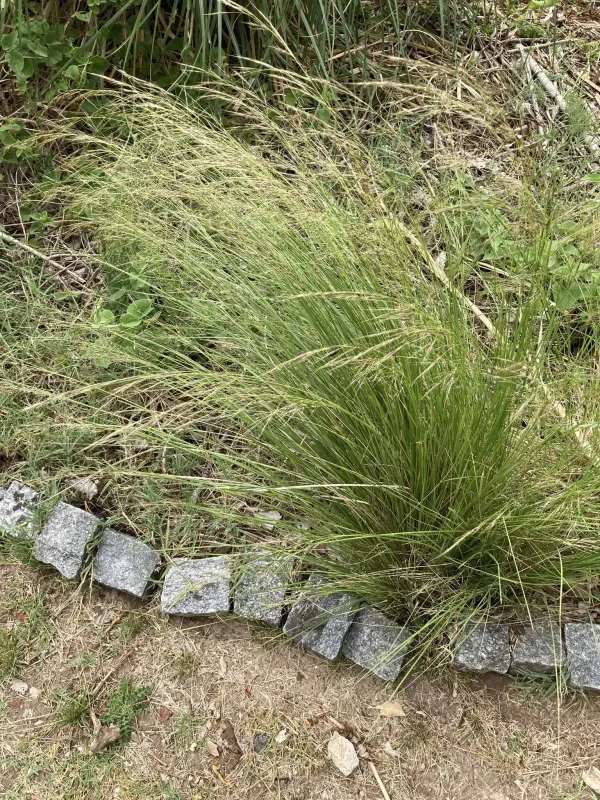
Description
Sowing dates
Sowing of Stipa brachychaeta seeds is best performed in early spring once the soil temperature consistently reaches 8–10 degrees Celsius.
Proper soil preparation is essential, ensuring the surface is well-pulverized to facilitate good contact between the seeds and the soil moisture.
Seeds should be planted at a depth of 2 to 4 centimeters, using grain drills that can handle fine-seeded grasses with high precision and even distribution.
The seeding rate varies based on the purity and germination quality of the batch, typically ranging from 8 to 12 kilograms per hectare for dense stands.
Post-sowing rolling of the field is a critical agricultural practice that improves moisture retention and guarantees a uniform emergence of seedlings across the field.
Growing requirements
Stipa brachychaeta, a member of the Poaceae family, is a highly resilient xerophytic grass, evolved to thrive in arid and semi-arid environments.
The plant demonstrates a strong preference for well-drained, light-textured soils, including chestnut and chernozem types, avoiding areas prone to waterlogging.
It is an obligate sun-loving species; hence, it must be grown in open fields where there is no competition from trees or tall shrubs for sunlight.
Its deep and extensive root system is the primary adaptation allowing it to access deep water reservoirs in the soil during periods of prolonged drought.
Regarding climate, the plant exhibits remarkable tolerance to extreme temperatures and is capable of surviving harsh winters and scorching summer heat.
Yield
The biomass yield of Stipa brachychaeta is largely dictated by environmental conditions, particularly annual precipitation levels and soil nutrient status.
On average, producers can expect a forage yield of 15 to 25 decitonnes per hectare, which provides a reliable base for livestock feed in steppe areas.
Strategic application of nitrogen fertilizers during the early vegetative phase can significantly boost growth rates and overall harvest volume per unit area.
The crop is valued for its nutritional profile, which includes a balanced ratio of protein and crude fiber, making it an excellent component of high-quality hay.
With proper management, such as controlled grazing or rotational cutting, the stand remains productive and economically viable for a period of 5 to 7 years.
Main diseases and pests
Rust fungi represent one of the most significant threats to the crop, especially in years characterized by high humidity or unseasonable rainfall patterns.
Insects like cereal flies and stem beetles can cause substantial damage to young plants, necessitating careful field monitoring during the initial growth stages.
Overgrazing or cutting the grass at the peak of its flowering stage can weaken the plant, leading to stand thinning and the eventual encroachment of weeds.
Root rot pathogens, often triggered by excessive soil moisture or poor drainage, are a concern and can lead to the mortality of entire grass patches.
Effective management includes maintaining a strict crop rotation schedule and applying fungicides only when disease thresholds are surpassed to minimize costs.
Harvesting
To maximize forage quality, the optimal time for harvesting is during the early heading stage, before the accumulation of excess structural lignin.
Using mower-conditioners at a height of 6–8 centimeters is recommended to protect the crown and growing points, ensuring rapid regrowth for subsequent cycles.
Proper curing is essential; the cut material should be dried in the field until moisture levels drop to 15–17 percent to prevent spoilage and fungal growth.
For seed production, the harvest should be conducted via direct combining during the waxy maturity stage, ensuring the grain is fully developed and viable.
Post-harvest handling requires cleaning the seeds of all debris and storing them in cool, dry, and ventilated conditions to maintain high germination rates.