
Stipa splendens
Stipa splendens Trin.
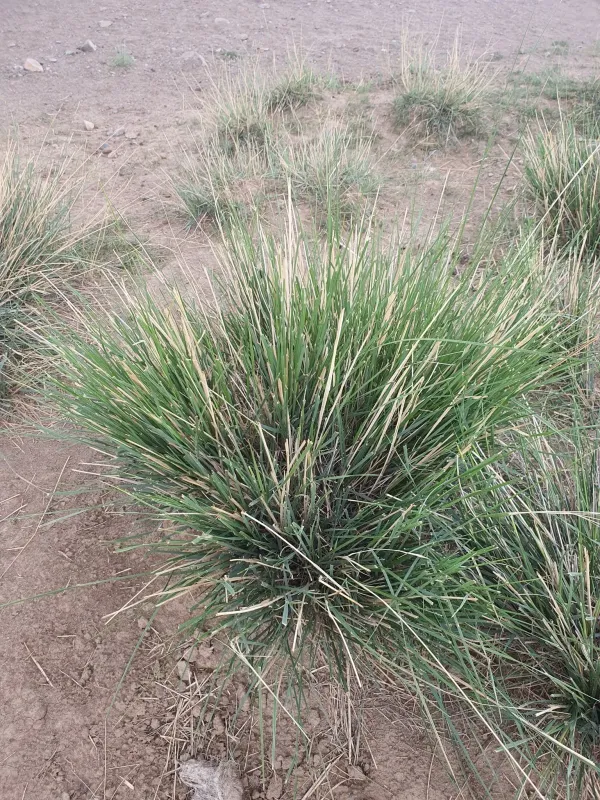
Description
Sowing dates
Sowing of Stipa splendens, a member of the Poaceae family, is best performed in early spring or late autumn. The goal is to provide the seeds with sufficient moisture to trigger germination, which is the most critical phase in the life cycle of this plant.
The seeds should be sown at a depth of 1–3 cm, depending on the soil texture. On lighter, sandy soils, slightly deeper sowing is preferred, whereas on heavy clay soils, shallower sowing is recommended to prevent seed exhaustion.
It is vital to pack the soil after seeding to ensure optimal seed-to-soil contact. Proper compaction significantly improves germination rates in dry environments, which is common in the natural range of this species.
The initial growth phase of Stipa splendens is relatively slow. Therefore, weed management in the first year is essential. Once the plants establish their robust root systems, they become highly competitive and typically require little maintenance.
Using high-quality, certified seeds with high viability ensures a uniform stand, which is crucial for maximizing long-term yields in forage or soil conservation projects.
Growing requirements
Originating from the arid regions of Central Asia and Mongolia, Stipa splendens is exceptionally adapted to harsh environmental conditions, including extreme temperature fluctuations and severe drought.
This grass is highly versatile regarding soil type and thrives in saline, rocky, or sandy substrates. Its ability to tolerate low soil fertility makes it an excellent candidate for land reclamation projects.
The plant requires full sun to maintain healthy growth and high vigor. Shading from other plants or dense canopy cover negatively impacts the plant's development and reproductive success.
A deep, extensive root system allows the plant to access moisture from deep soil layers, making it a highly resilient species that remains green and productive even during prolonged dry spells.
Hardiness is one of its core strengths; the plant withstands freezing winters without suffering damage to its rootstock, allowing for stable production in temperate to continental climates.
Yield
The primary agricultural use of Stipa splendens is the production of coarse fodder, especially for livestock grazing in late autumn and winter when other forage sources are depleted.
Industrially, the plant is a valuable source of cellulose. Its long, tough fibers make it suitable for the production of high-quality paper, cardboard, and various composite building materials.
Due to its dense and aggressive root structure, it is widely utilized for phytoremediation and soil stabilization. It effectively anchors shifting sands and prevents wind erosion in desert and steppe areas.
In ornamental horticulture, the species is appreciated for its elegant, silvery flower panicles that provide visual interest throughout the late summer and early autumn seasons.
While biomass yield varies significantly depending on rainfall, Stipa splendens remains one of the most reliable crops in regions where conventional agriculture is restricted by water scarcity.
Main diseases and pests
Stipa splendens is naturally robust and possesses strong immunity to most common grass diseases such as rust, smut, or powdery mildew, making it a low-input crop suitable for sustainable farming.
The main threats involve soil-borne pests, particularly wireworms or other larval stages that feed on roots, which can be problematic for seedling establishment during the first year.
Poorly drained soils or waterlogged conditions are major risks for the crop, as they can trigger root rot and decline. Selecting well-drained, elevated planting sites is the best preventative strategy.
Locusts and other foliage-feeding insects can cause localized damage to the leaves during outbreaks, necessitating monitoring and, in extreme cases, integrated pest management interventions.
Proper field management, including the rotation of crops and ensuring appropriate seeding densities, generally keeps the plant stand healthy and free from major pest pressure.