
Vanhoutte spirea
Spiraea x vanhouttei (Briot) Zabel
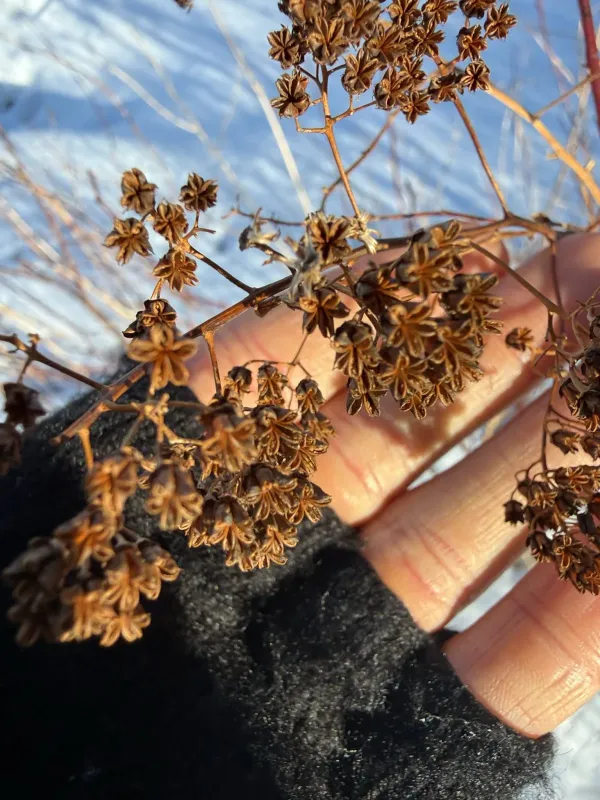
Description
Growing requirements
Vanhoutte spirea, or Spiraea x vanhouttei, is a popular deciduous shrub belonging to the Rosaceae family. It is a hybrid originating from crosses between Spiraea cantoniensis and Spiraea trilobata, valued globally for its elegant, arching branches that create a fountain-like effect.
The plant thrives in full sun, which is essential for maximizing flower production and maintaining a dense, vigorous growth habit. While it is adaptable to various soil types, it performs best in fertile, well-draining loamy soils with a neutral to slightly acidic pH level.
Proper water management is key, especially during the establishment phase and periods of extended summer drought. Applying a layer of organic mulch around the base of the shrub helps conserve soil moisture and suppresses weed growth, which is vital for the plant's long-term health.
Fertilization should be carried out in early spring, just as new growth begins. A balanced slow-release fertilizer provides necessary nutrients throughout the season. Avoid excessive nitrogen applications late in the season to prevent weak growth that may be damaged by early winter frosts.
Pruning is the most critical aspect of maintenance for Vanhoutte spirea. The shrub blooms on old wood; therefore, pruning should be performed immediately after the flowers fade. This allows the plant enough time to develop new growth and flower buds for the following year.
Main diseases and pests
Aphids are the most frequent pests affecting the new growth of Vanhoutte spirea. They cluster on tender leaves and developing buds, potentially causing distortion. Controlling them is usually possible with insecticidal soaps or neem oil applications when infestations are caught early.
Spider mites can become a nuisance during hot, dry weather. They feed on the sap, causing foliage to appear stippled and faded. Regular overhead watering can deter them, but persistent populations may require the use of specific acaricides to protect the plant.
Powdery mildew is a common fungal issue that presents as a white, dusty coating on the leaves, particularly in humid or crowded conditions. Improving air circulation through proper pruning and thinning of the canopy is the best preventative strategy against this infection.
Leaf spot diseases, caused by various fungi, may occur during wet seasons. These appear as irregular brown or black spots on the foliage. Sanitation, which includes removing and destroying infected fallen leaves, is crucial to reduce the primary inoculum load in the garden.
Overall, Vanhoutte spirea is a hardy and resilient shrub. By providing the correct environmental conditions—specifically good drainage and sufficient sunlight—growers can avoid most health issues and ensure the plant remains a striking focal point in any landscape design.