
Reeves spirea
Spiraea cantoniensis Lour.
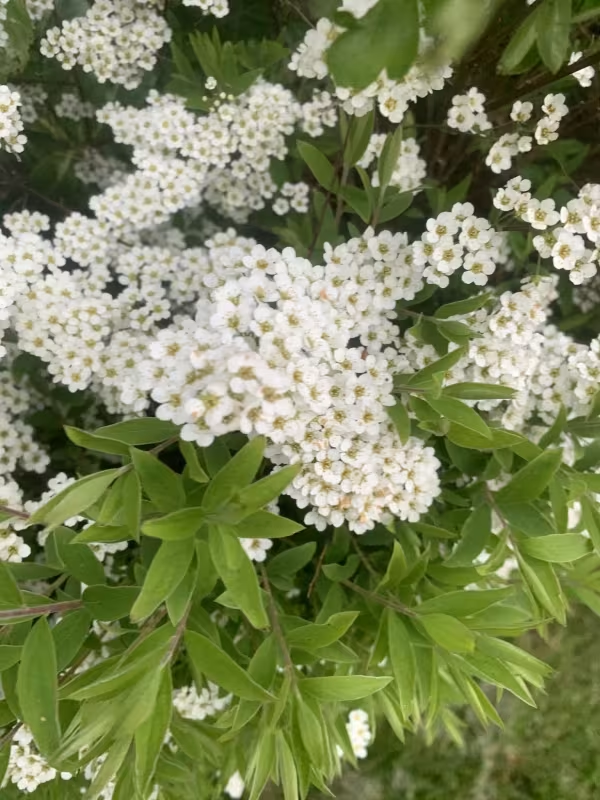
Description
Growing requirements
Reeves spirea (Spiraea cantoniensis) belongs to the Rosaceae family. This perennial ornamental shrub is native to East Asia, specifically China, and is highly regarded for its cascading growth habit.
The plant thrives in full sun locations but is capable of adapting to partial shade. Exposure to direct sunlight is essential for optimal flower production and to maintain the dense, attractive form of the shrub.
In terms of soil requirements, it prefers fertile, well-drained loamy soils. It does not tolerate waterlogging, so maintaining adequate soil moisture without saturation is crucial for healthy root development.
The climate requirements for this species are specific, as it is best suited for milder climates. It thrives in regions where winters are not excessively harsh, as it can be prone to frost damage in severe cold zones.
In terms of practical application, it is used extensively in landscaping. It serves as a beautiful focal point in gardens or can be grouped to form hedges, especially during its spring flowering period.
Main diseases and pests
Aphids are the most common pests affecting the tender new growth of the plant. They weaken the shrub by feeding on sap, and their presence may require the use of targeted horticultural soaps or insecticides.
Spider mites can be problematic during hot, dry spells. They cause foliage to become stippled and discolored, often requiring applications of miticides if the infestation is severe enough to damage the plant.
Powdery mildew is a fungal issue that manifests as white patches on leaves. Proper air circulation achieved through thinning cuts helps mitigate this risk, along with fungicides when necessary.
Root rot is a major threat caused by poor soil drainage. When the roots remain in saturated conditions for too long, they lose the ability to absorb nutrients, leading to the overall decline of the shrub.
Scale insects can occasionally infest stems, causing bark damage and reducing vigor. Monitoring the stems during the dormant season and applying dormant oil treatments can effectively manage these populations.