
Japanese spirea
Spiraea japonica L. f.
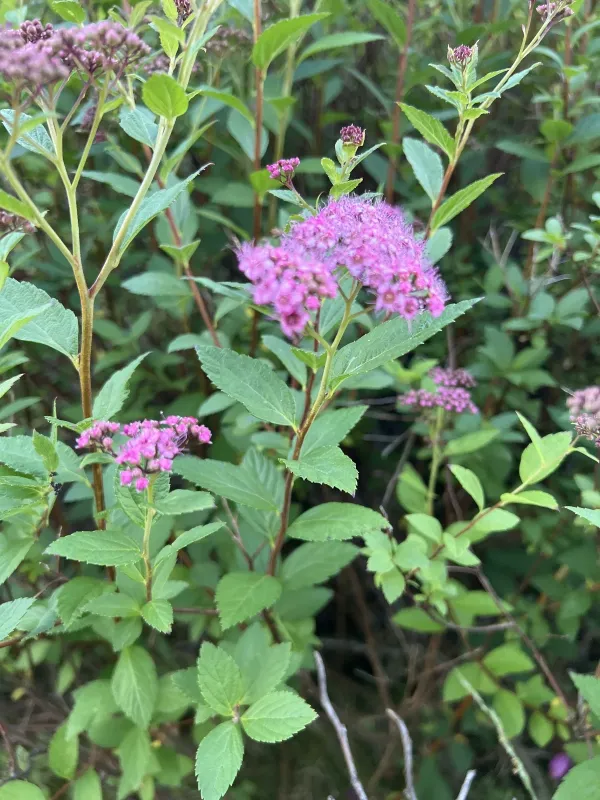
Description
Growing requirements
Japanese spirea (Spiraea japonica L. f.) is a perennial deciduous shrub belonging to the Rosaceae family. Native to East Asia, this ornamental plant has been widely cultivated globally due to its versatility, compact growth habit, and profuse flowering display during the summer months.
Botanically, the plant features alternate leaves and terminal inflorescences that can range in color from white to deep pink or carmine red. Its growth habit is typically bushy, making it an excellent candidate for hedges, ground cover, or focal points within a landscape design.
This species thrives in full sun, which is essential for developing the richest foliage color and ensuring abundant flower production. While it can tolerate partial shade, a significant reduction in light will often lead to leggy growth and reduced blooming efficiency.
Regarding soil requirements, Japanese spirea is adaptable but performs best in well-drained, fertile, and slightly acidic to neutral soils. It does not tolerate prolonged waterlogging, which necessitates careful site selection and the installation of proper drainage if the soil is heavy clay.
Agrotechnical management requires regular pruning to maintain the plant's form and vitality. Pruning back the previous year's growth in late winter or early spring encourages vigorous new shoots, which will produce the flowers for the coming season.
Main diseases and pests
Japanese spirea is generally resistant to major health issues, but it can be susceptible to powdery mildew under conditions of high humidity and poor air circulation. Regular pruning to keep the center of the shrub open is a key preventative measure.
Spider mites are the most significant pest, particularly during hot and dry summer spells. These microscopic pests suck cell contents from the leaves, causing them to yellow and drop. Management involves using appropriate miticides or maintaining higher humidity levels around the shrub.
Aphids may infest new, tender growth in the spring, leading to leaf curling and distorted shoots. These can be managed with insecticidal soaps or by encouraging natural predators such as ladybugs, which are often found in balanced garden ecosystems.
Root rot can occur if the soil remains constantly soggy, emphasizing the need for proper irrigation practices. Avoiding overhead watering in the late evening can also reduce the risk of foliage-related fungal diseases.
Monitoring the plant for signs of stress, such as yellowing leaves or wilting, is essential for early detection of potential problems. Consistent maintenance, including mulching and balanced fertilization, creates a robust plant capable of resisting most common environmental threats.