
Spiraea media
Spiraea media Schmidt
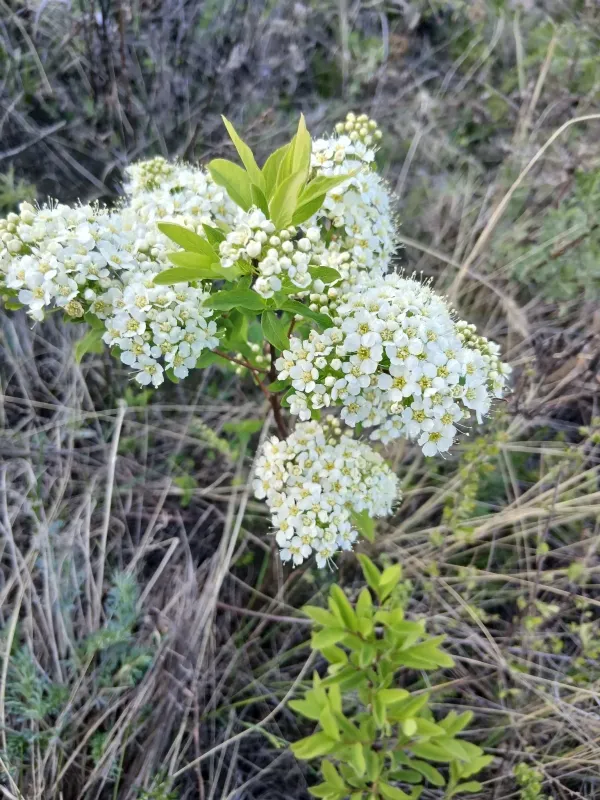
Description
Growing requirements
Spiraea media is a deciduous shrub belonging to the Rosaceae family. It is native to the forest regions of Eurasia, where it typically thrives in meadows, forest fringes, and on mountain slopes.
This shrub is highly valued for its extreme winter hardiness and its ability to adapt to diverse soil conditions. While it prefers fertile loamy soils with good drainage, it is generally undemanding in terms of maintenance.
The plant requires full sun to partial shade for optimal growth and flowering. Proper spacing during planting is essential to ensure adequate air circulation and to prevent the development of various pathogens.
Agricultural management involves routine pruning of old wood, which promotes the growth of new, healthy stems. Regular application of compost or balanced fertilizers supports the plant's vitality throughout the growing season.
Spiraea media serves as an excellent nectar source for honeybees in early spring. Due to its dense root system, it is frequently utilized for soil stabilization and landscape restoration projects.
Main diseases and pests
Spider mites are common pests that thrive in dry, hot weather, potentially causing significant leaf discoloration and reduced vigor if left unchecked.
Aphids are another frequent threat, often congregating on the succulent young tips of the shoots and extracting essential nutrients from the plant.
Powdery mildew may occur in poorly ventilated areas with high humidity, appearing as a white dusting on the leaf surfaces that hinders photosynthesis.
Integrated pest management, including the use of horticultural oils or systemic insecticides, is recommended for controlling these common infestations.
Sanitary pruning practices significantly reduce the risks of disease, as removing dead or infected wood prevents the spread of fungal spores across the shrub.