
Hayata spiraea
Spiraea hayatana H. L. Li
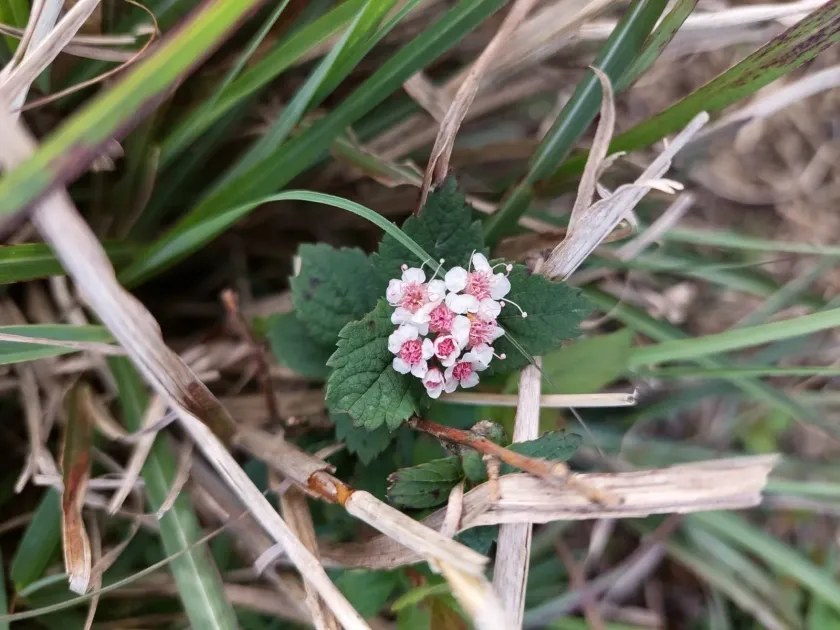
Description
Growing requirements
Hayata spiraea (Spiraea hayatana) is an ornamental shrub belonging to the Rosaceae family. Native to the high-altitude regions of Taiwan, this species is highly valued by horticulturists for its delicate growth habit and aesthetic appeal.
The plant requires a temperate climate with consistent moisture levels. It thrives in locations that provide partial shade, as intense direct sunlight can cause stress and dehydration in this mountain-native species.
When selecting a planting site, it is crucial to ensure soil quality. The species prefers well-draining, nutrient-rich loamy soil. Compaction of the earth should be avoided to allow roots to breathe and absorb nutrients efficiently.
Agrotechnical care includes regular monitoring of moisture levels, as the plant does not tolerate prolonged drought. Mulching the base of the shrub helps to retain moisture and regulate soil temperature during summer months.
Host plant utilization is primarily decorative. Due to its dense foliage and graceful branches, it is an excellent choice for borders, rock gardens, and mass plantings in landscape architecture.
Main diseases and pests
Aphids are among the most common pests that affect Hayata spiraea. These insects congregate on young, tender shoots, causing stunted growth and leaf curling if left untreated.
Spider mites are another frequent problem, especially during hot and dry spells. They thrive in low humidity, making regular misting of the foliage an effective preventative measure.
Fungal diseases, including powdery mildew, can pose a risk if the shrub is planted in an area with poor airflow. Maintaining proper spacing between plants is essential for disease prevention.
Root rot, often caused by waterlogging, is a critical threat to this species. Ensuring excellent drainage through soil amendments is the best strategy for long-term plant health.
Proactive management involving dormant season pruning and the removal of infected plant debris significantly reduces the incidence of pests and pathogens in the garden environment.