
Fritsch's spiraea
Spiraea fritschiana C. K. Schneid.
Description
Growing requirements
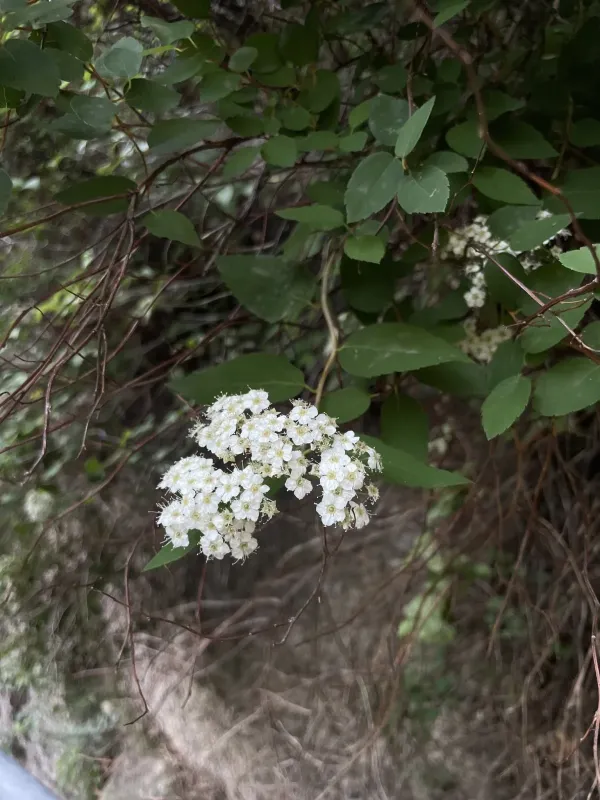
Fritsch's spiraea (Spiraea fritschiana) is a deciduous shrub belonging to the Rosaceae family. Native to the mountainous terrains of Korea and China, this plant is highly valued for its aesthetic appeal, compact habit, and extended flowering period.
The plant thrives in well-drained, fertile soils with a slightly acidic to neutral pH. While it is adaptable to various environments, consistent soil moisture is essential for the healthy growth and blooming of this ornamental species.
Regarding climatic preferences, Fritsch's spiraea is hardy and thrives in temperate zones. It requires full sunlight to partial shade, though optimal flowering is achieved in sunny locations where light intensity is sufficient to support bud development.
Standard agronomic care involves regular pruning to remove spent flowers and dead wood, which promotes dense growth. Applying organic mulch around the root base helps retain moisture and prevents the rapid growth of competitive weeds.
In terms of agricultural and horticultural use, it is a staple in landscape design, often utilized for border plantings, mass displays, or as a focal point in rock gardens due to its neat, symmetrical appearance and showy white to pink inflorescences.
Main diseases and pests
Though Fritsch's spiraea is generally robust, it may occasionally face challenges from fungal pathogens like powdery mildew, especially if planted in areas with poor air circulation or excessive humidity levels during the growing season.
Common insect pests that may impact this crop include aphids, leafrollers, and spider mites. Regular monitoring during the spring and summer allows for early intervention using appropriate horticultural oils or systemic insecticides.
Sanitation practices are critical for disease management. By removing and destroying infected plant debris, gardeners can significantly lower the inoculum pressure for recurring fungal diseases, maintaining the health of the entire shrub planting.
Providing adequate spacing between plants is a primary preventive measure against disease. Proper airflow reduces the risk of leaf spot and other humidity-related conditions, ensuring the foliage remains clean and photosynthetically active.
Proper fertilization is vital for plant resistance; however, it must be balanced to avoid excessive vegetative growth which can attract soft-bodied insects. A well-nourished plant is better equipped to naturally withstand minor infestations and seasonal stresses.