
Fritsch spirea
Spiraea fritschiana x Spiraea japonica
Description
Growing requirements
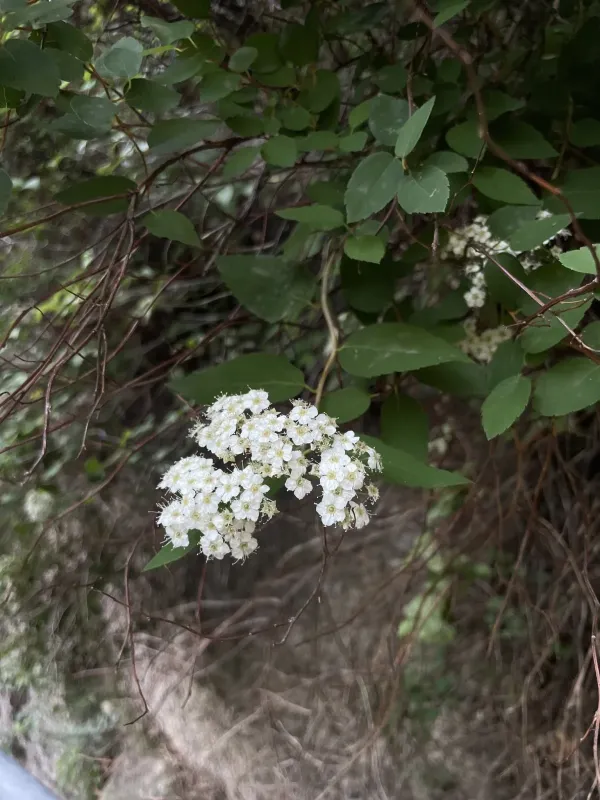
Fritsch spirea is a deciduous shrub belonging to the Rosaceae family, originating from the hybridization of S. fritschiana and S. japonica. It is highly valued in horticulture for its neat, compact habit and its vibrant flower clusters that appear in mid-summer.
This species thrives best in full sun, though it exhibits significant shade tolerance. When planted in areas with partial shade, the plant maintains its structural integrity, although the density of the floral display may be slightly reduced compared to specimens grown in direct sunlight.
The ideal growing medium for this shrub is a fertile, well-draining soil. It is adaptable to a variety of soil types, ranging from sandy loams to heavier clays, provided that drainage is adequate to prevent root rot in wet, anaerobic conditions.
Climatically, the Fritsch spirea is robust, demonstrating good winter hardiness across diverse temperate zones. It is highly resilient, surviving seasonal temperature fluctuations, though it benefits from organic mulch to stabilize soil temperature and moisture during extreme heat.
Agronomic management involves routine fertilization with a balanced NPK fertilizer in the early spring to promote vigorous growth. Pruning is essential; it should be performed in late winter or early spring to remove dead wood and encourage the development of new, flowering shoots for the upcoming season.
Main diseases and pests
Typical insect pests that can impact this crop include aphids, which cluster on tender new foliage, and spider mites, which can cause leaf yellowing and premature leaf drop during dry spells. Management involves regular monitoring and the use of insecticidal soaps or horticultural oils.
Fungal diseases, including leaf spot and powdery mildew, may occur in environments with poor air circulation or excessive overhead humidity. Maintaining proper spacing between shrubs and avoiding wetting the foliage during irrigation are primary preventative measures.