
Spiraea cinerea
Spiraea x cinerea Zabel
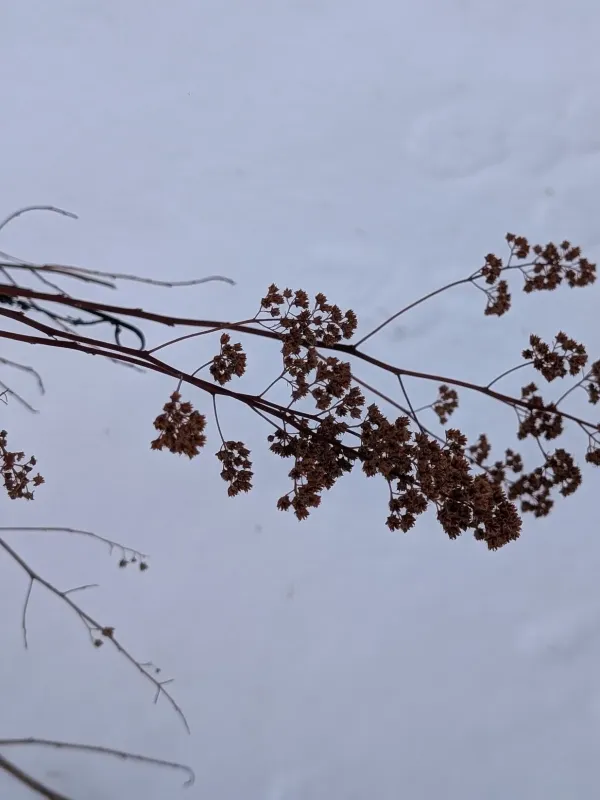
Description
Growing requirements
Spiraea cinerea, commonly known as grey spirea, is a hybrid shrub belonging to the Rosaceae family. It is highly valued in horticulture for its cascading branches and its spectacular display of early-spring white flowers that completely cover the stems.
This shrub performs best in full sun, which is essential for maintaining a dense growth habit and profuse blooming. While it can tolerate partial shade, insufficient light often results in a leggy and sparse appearance, reducing its aesthetic value.
The plant is adaptable to various soil types but thrives in fertile, well-drained loamy soils. It is crucial to ensure that the site does not have waterlogging issues, as the root system is sensitive to prolonged exposure to stagnant moisture, which can lead to rot.
In terms of agricultural management, Spiraea cinerea is relatively low-maintenance. Regular watering is vital during the initial establishment phase, especially during dry spells. Mulching around the base helps to retain soil moisture and suppress weed growth.
The primary use of this culture is decorative. It is frequently planted in mixed borders, shrubberies, or as an informal hedge. Its rapid growth and resilience make it an excellent choice for urban landscaping and residential gardens alike.
Main diseases and pests
Spiraea cinerea is generally robust, but it can be susceptible to powdery mildew, especially in humid environments with poor air circulation. This fungal disease appears as white powdery spots on the foliage and requires appropriate fungicidal treatment.
Aphids are the most common insect pests that infest this shrub. They typically cluster on the tender tips of new growth, causing curling and stunted development. Monitoring for these pests in late spring is a standard practice for healthy maintenance.
Spider mites may occasionally cause issues during hot, dry weather. They feed on the underside of leaves, causing them to lose color and eventually drop. Ensuring adequate plant hydration is a primary cultural method to discourage mite infestations.
Pruning is an essential part of disease prevention. Removing old or diseased branches after the flowering period ensures better airflow within the canopy, which significantly reduces the humidity that fungal pathogens prefer for their development.
Good soil nutrition supports the shrub's natural resistance. However, it is advisable to avoid excessive fertilization, particularly with nitrogen, as this encourages soft, succulent growth that is disproportionately prone to aphid attacks and fungal infections.