
Thunberg spirea
Spiraea thunbergii Siebold ex Blume
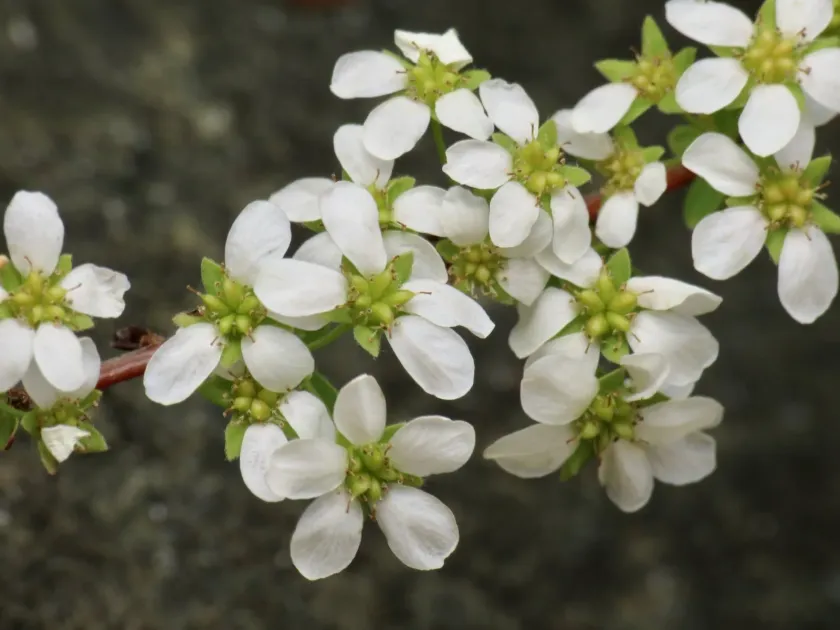
Description
Growing requirements
Thunberg spirea (Spiraea thunbergii) is a deciduous shrub belonging to the Rosaceae family, native to East Asia, specifically Japan and China.
This shrub is highly valued for its slender, arching branches and early spring blooms, which consist of tiny white flowers covering the entire length of the twigs.
It thrives best in well-drained, nutrient-rich soils that maintain consistent moisture levels without becoming waterlogged, as poor drainage is detrimental to its health.
Regarding sunlight, this plant prefers full sun to light shade; however, placing it in a location with ample light is essential for optimal flowering performance.
Regular maintenance involves light pruning after the flowering period to encourage new growth and maintain the elegant, weeping shape of the shrub's canopy.
Main diseases and pests
Spider mites are the most common pest problem for Thunberg spirea, particularly during hot and dry summer months when the plants may become stressed.
Aphids can also occasionally infest young shoot tips, causing leaf curling and hindering the development of the plant during the active growing season.
Powdery mildew may occur if the shrub is planted in an area with poor air circulation or if the ambient humidity remains consistently high for long periods.
Integrated pest management strategies, such as providing adequate spacing and keeping the plant well-watered, are effective in minimizing potential outbreaks.
If chemical intervention is necessary, apply appropriate pesticides or fungicides in strict accordance with local agricultural guidelines to ensure environmental safety.