
Bridal wreath spirea
Spiraea prunifolia Siebold & Zucc. f. simpliciflora Nakai
Description
Growing requirements
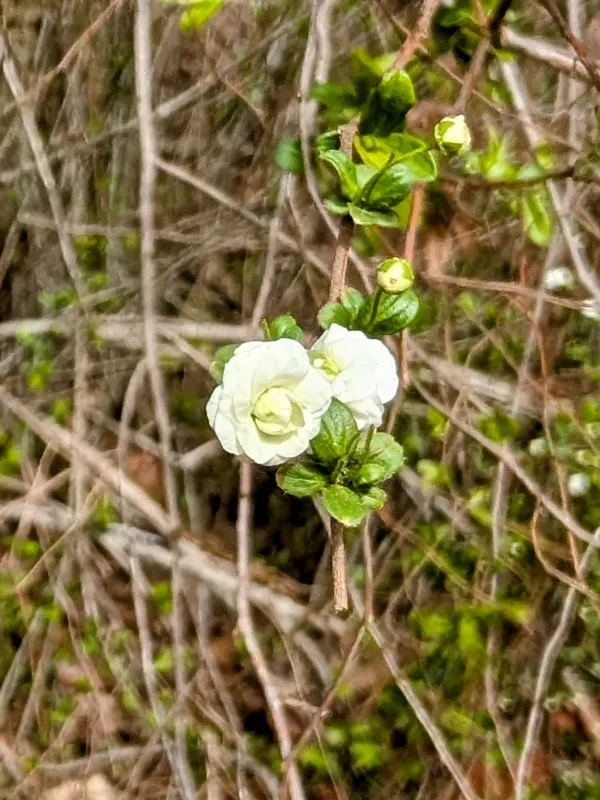
Spiraea prunifolia, commonly known as the bridal wreath spirea, is a deciduous shrub belonging to the Rosaceae family. Native to East Asia, including regions in China and Japan, this plant has become a popular ornamental species in many temperate gardens worldwide.
This species thrives best in sites that offer full sun to partial shade. The ideal soil for this shrub is fertile, well-draining, and slightly acidic to neutral. Ensuring good drainage is critical, as the roots are sensitive to waterlogging and may develop root rot in swampy conditions.
In terms of climate, the plant exhibits good hardiness but benefits from mulch during colder winter months in temperate zones. It is relatively drought-tolerant once established, but regular watering is essential during the initial growth stages to encourage deep root development.
Cultivation practices involve seasonal maintenance, including pruning immediately after the spring flowering period. Pruning helps remove old, weak wood and promotes new growth for the next season. Fertilization with a balanced slow-release formula in early spring is recommended for optimal foliage and flower density.
The primary use of Spiraea prunifolia is in landscape design, where it serves as an excellent specimen plant, a backdrop in mixed borders, or a flowering hedge. Its elegant, arching branches and double white flowers make it a highly desirable plant for residential and public garden settings.
Main diseases and pests
Common pests affecting Spiraea prunifolia include aphids, leafrollers, and spider mites. These insects can cause stunted growth or distorted foliage. Management involves monitoring the shrub and applying appropriate insecticidal soaps or systemic pesticides as required.
Fungal diseases, specifically powdery mildew, are the main concern for this species, especially in areas with high humidity. Ensuring proper plant spacing for air circulation and using sulfur-based fungicides can effectively manage these issues and keep the foliage healthy throughout the season.