
Spiraea hayatana x japonica
Spiraea hayatana x Spiraea japonica
Description
Growing requirements
Spiraea hayatana x japonica is a decorative deciduous shrub belonging to the Rosaceae family. This hybrid represents an elegant combination of the unique botanical traits of Spiraea hayatana and the robust, widespread nature of Spiraea japonica, resulting in a highly ornamental garden plant.
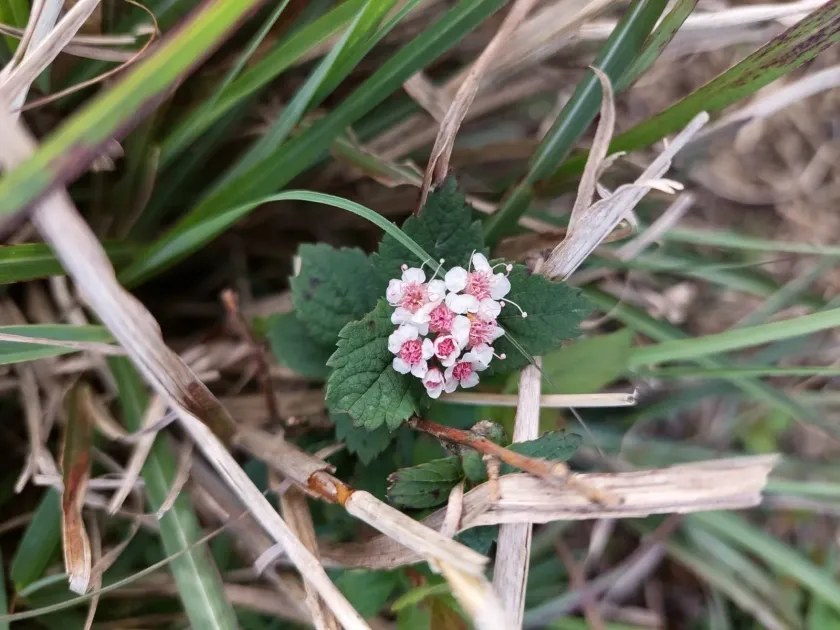
The shrub typically displays a dense, mounded habit with slender stems and lanceolate leaves. Its primary aesthetic value lies in its abundant summer flowering, where corymbose inflorescences cover the plant, creating a vivid display that persists for several weeks.
Regarding site requirements, this cultivar thrives in full sun, which is necessary to maintain the intensity of leaf color and bloom density. It performs best in well-drained, fertile soil that remains consistently moist throughout the active growing season.
Agrotechnical maintenance involves regular watering during dry spells and annual pruning in late winter or early spring. Pruning is essential to stimulate the production of new flowering shoots and to maintain the desired size and shape of the shrub within the landscape design.
The plant is highly valued for its adaptability, showing good resistance to typical urban environmental stressors. It is commonly utilized in mixed borders, low hedges, and foundation plantings, providing consistent seasonal interest in various horticultural settings.
Main diseases and pests
Spiraea hayatana x japonica is susceptible to common pests, including aphids and spider mites. These pests thrive in hot and dry weather conditions, often clustering on the undersides of leaves and at the tips of new growth, causing curling and discoloration.
To manage pest populations, gardeners should inspect the plants regularly. Integrated pest management strategies, such as using horticultural oils or insecticidal soaps, are effective at the first sign of infestation without causing harm to beneficial insects.
Powdery mildew represents a significant fungal threat, characterized by white, dust-like patches on the foliage. This disease is most prevalent in areas with poor air circulation, high humidity, or when the foliage is frequently wet for prolonged periods.
Cultural control, such as proper spacing during initial planting and thinning out branches to ensure airflow, is the most effective preventative measure. Fungicides should be reserved for cases where cultural practices are insufficient to stop the spread.
Sanitation is a critical part of the health regimen. Removing and disposing of infected plant debris at the end of the season prevents overwintering spores from re-infecting the shrubs in the following spring, thereby maintaining plant vigor.