
Sansevieria cylindrica
Sansevieria cylindrica Bojer ex Hook.
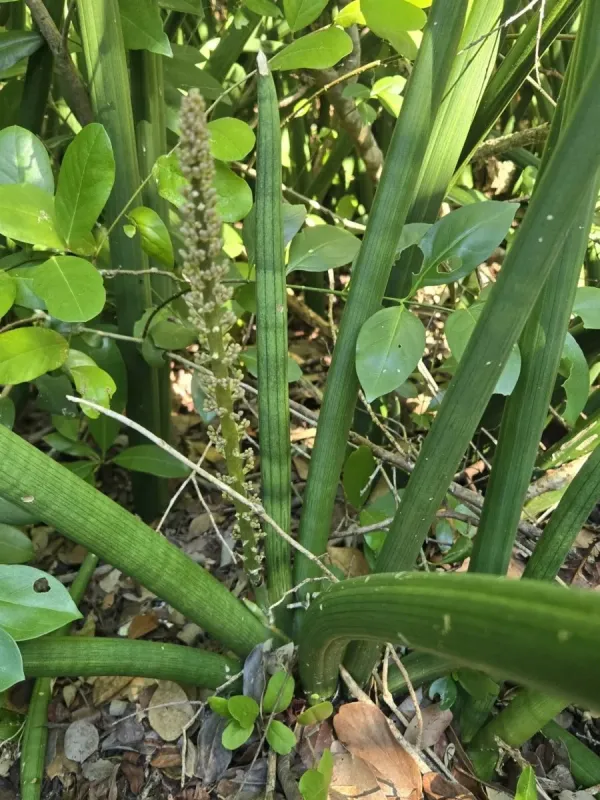
Description
Growing requirements
Sansevieria cylindrica, a member of the Asparagaceae family, is a distinct succulent species originating from the arid regions of Southern Africa and Angola. This plant is well-adapted to surviving in harsh, rocky terrains with minimal water resources.
The plant is characterized by its stiff, cylindrical, grey-green leaves that emerge from a basal rosette. Unlike traditional broad-leaved sansevierias, the cylindrical shape allows for reduced surface area, which is a key adaptation for water retention and drought tolerance.
Cultivation requires bright, indirect sunlight to maintain the plant's structural integrity and vibrant coloration. While it is highly shade-tolerant, significantly low light levels can lead to etiolation and a loss of vigor in the foliage.
The soil requirements focus on excellent aeration and drainage. A standard mix for cacti and succulents, supplemented with pumice or coarse grit, is ideal for providing the necessary root environment and preventing oxygen starvation.
Temperature management is straightforward, as the plant prefers ranges between 18°C and 27°C. It is sensitive to frost and should be kept away from cold drafts to prevent cellular damage and susceptibility to physiological stress.
Main diseases and pests
The primary threats to Sansevieria cylindrica are moisture-related diseases, most notably root rot. Excessive watering in poor-draining soil creates an anaerobic environment that promotes the proliferation of opportunistic pathogens.
Mealybugs are common pests that infiltrate the leaf axils and the junctions of the cylindrical leaves. These insects extract sap and weaken the plant, often requiring systemic insecticides or manual removal with alcohol-soaked swabs to manage infestations.
Spider mites can occur in dry indoor environments. These microscopic pests feed on the foliage, causing stippling and visible decline. Maintaining a clean leaf surface and proper air circulation are fundamental deterrents against mite colonization.
Bacterial soft rot can manifest if water collects in the center of the rosette or if the plant suffers mechanical damage. This disease spreads rapidly, often resulting in complete tissue collapse, which emphasizes the need for careful watering techniques.
To maintain plant health, it is essential to monitor for leaf tip browning, which may indicate either extreme dehydration or over-fertilization. Proper nutrient management with balanced, low-nitrogen fertilizers helps maintain natural resistance to environmental pressures.