
Snake plant
Sansevieria trifasciata Prain
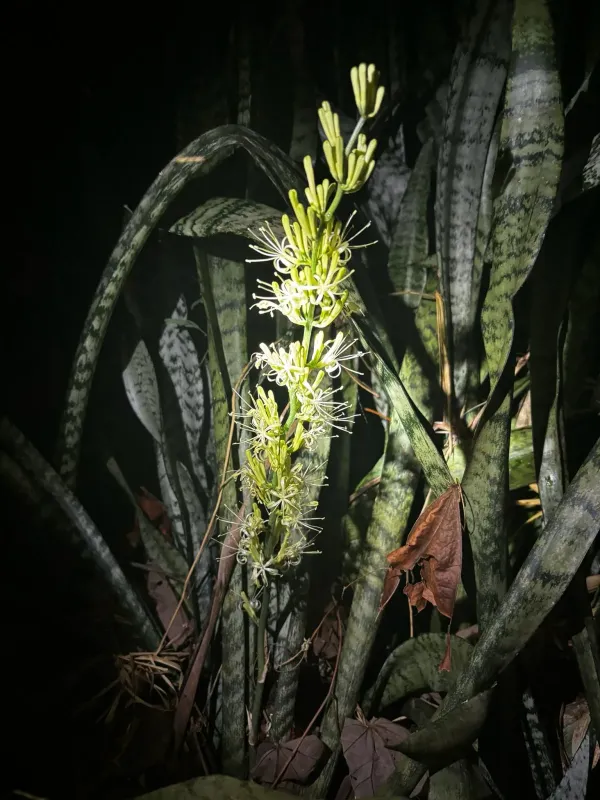
Description
Growing requirements
The snake plant (Sansevieria trifasciata) is a perennial evergreen succulent belonging to the Asparagaceae family. Native to tropical West Africa, it thrives in environments that mimic its natural rocky and sandy habitats.
The plant is renowned for its adaptability, performing well in a wide range of light conditions from deep shade to direct sunlight. However, for maximum growth, bright indirect light is recommended to ensure robust foliage development.
Soil requirements focus on excellent drainage to prevent root rot. A sandy or gritty substrate is ideal, as the plant's succulent leaves allow it to store water effectively, making it highly drought-tolerant.
Optimal temperature ranges for active growth are between 18°C and 28°C. Being a tropical species, it does not tolerate frost, which makes temperature management critical for commercial plantations in non-tropical zones.
Agricultural practices for this crop involve minimal irrigation. Overwatering is the most common cause of failure in cultivation, as the roots are highly susceptible to hypoxic conditions in waterlogged soil.
Yield
Commercially, Sansevieria trifasciata is recognized as a fiber crop. Its long, sturdy leaves yield a resilient, moisture-resistant fiber used in the production of ropes, mats, and various technical textiles.
Yields are determined by the density of the planting and the soil quality. The plants are propagated via rhizome division or leaf cuttings, allowing for rapid colonization of the growing area.
Harvesting typically involves the manual selection of mature leaves, which are then processed through mechanical decortication to extract the fiber strands without damaging the plant's regenerative base.
Beyond fiber, the plant contains phytochemicals such as saponins and alkaloids, which are investigated for their therapeutic applications, adding value to the harvested biomass.
As an ornamental and environmental crop, it is also harvested for global horticultural markets, where it is valued for its superior air-purifying capabilities and low maintenance requirements.
Main diseases and pests
The most significant threats to the crop include fungal pathogens that cause root and rhizome decay. These are almost exclusively linked to poor drainage or excessive soil moisture levels during the growing season.
Pests such as mealybugs and spider mites pose a threat to the aesthetic and structural integrity of the leaves. Infestations result in sap depletion, which stunts plant growth and reduces fiber quality.
Integrated Pest Management (IPM) strategies are essential for sustainable cultivation, emphasizing proper spacing to ensure adequate air circulation and the use of targeted biological controls.
Temperature-related stress, particularly exposure to cold, can lead to tissue death. Once damaged by cold, the leaves become highly susceptible to opportunistic bacterial and fungal infections.
Continuous monitoring of leaf surfaces is necessary to identify early signs of insect activity or lesions, ensuring that management interventions are implemented before the infestation spreads across the field.