
Sansevieria zeylanica
Sansevieria zeylanica (L.) Willd.
Description
Growing requirements
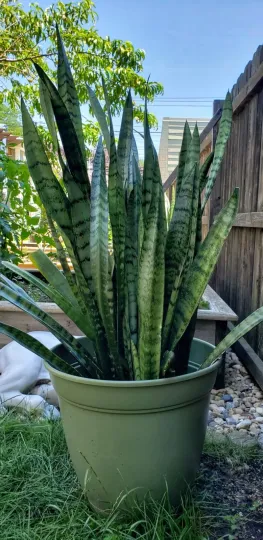
Sansevieria zeylanica is a perennial succulent plant belonging to the Asparagaceae family. Native to South Asia, this species is highly adapted to tropical climates and rocky substrates where it demonstrates resilience against environmental fluctuations.
The plant features thick, fibrous leaves that act as water storage organs, allowing the plant to thrive in regions characterized by distinct dry and wet seasons. Its rhizomatous root system enables it to spread efficiently and establish strong holds in various soil types.
Optimal growth requires well-draining, sandy-loam soils with a neutral pH. The species is highly sensitive to waterlogged conditions, which necessitates precise irrigation management to prevent root rot and ensure healthy biomass development.
Environmental requirements include bright, indirect sunlight to maintain its characteristic variegated foliage. While the plant exhibits high shade tolerance, full development and maximum fiber quality are typically achieved under optimal light exposure.
The temperature range for cultivation should be kept between 18°C and 28°C. Protecting the crop from extreme cold and frost is essential, as the high water content in the leaves makes them prone to cellular damage at low temperatures.
Yield
Sansevieria zeylanica is commercially significant due to the high-quality, durable fiber found within its leaves, often referred to in trade as bowstring hemp. The mechanical extraction of these fibers yields a material known for its high tensile strength and resistance to humidity.
This fiber is primarily utilized in the production of heavy-duty ropes, cordage, industrial textiles, and packing materials. The efficiency of fiber extraction depends on the maturity of the leaves and the post-harvest processing techniques applied.
Productivity is maximized through regular light, controlled fertilization, and the selective harvesting of the longest leaves. This sustainable harvesting method allows the plantation to remain productive for several years without needing complete replanting.
Beyond its fiber production, the plant is widely cultivated for indoor air purification and landscaping. Its ability to absorb volatile organic compounds makes it a valuable asset in urban environments and green building projects.
The economic viability of growing Sansevieria zeylanica stems from its minimal input requirements, as the plant can adapt to poor soil conditions and requires significantly less maintenance compared to conventional industrial crops.
Main diseases and pests
Mealybugs are the primary pest affecting Sansevieria zeylanica, particularly gathering at the base of the leaves and in crevices, which requires targeted systemic insecticide treatments to manage infestations effectively.
Spider mites may pose a threat in environments with low humidity, causing leaf discoloration and reduced vigor. Proper ventilation and occasional misting or air circulation help mitigate the risk of mite proliferation.
Fungal infections, primarily root and crown rot, are the most significant threats to yield and plant survival. These diseases are almost always associated with over-irrigation or stagnant water conditions in the root zone.
Physical injuries during harvesting can create entry points for pathogens, potentially leading to widespread infection within a plot. Maintaining tools and ensuring quick drying of cut surfaces is a crucial component of disease management.
Effective crop protection relies on regular monitoring, ensuring high-quality planting material, and implementing proper soil sanitation practices to prevent the build-up of soil-borne diseases in the plantation.