
Sansevieria kirkii
Sansevieria kirkii Baker
Description
Growing requirements
Sansevieria kirkii belongs to the Asparagaceae family and is native to the coastal regions of East Africa, specifically Tanzania and Zanzibar. This perennial succulent has adapted to survive in environments characterized by periodic droughts and warm tropical temperatures.
The culture requires a porous, well-draining potting medium. A mixture based on peat, sand, and pumice is considered optimal for maintaining root health and preventing the common problem of waterlogging, which the plant is highly susceptible to.
Ideal conditions include moderate temperatures between 20°C and 28°C. While the plant can tolerate low light levels, it reaches its full aesthetic potential under bright, indirect sunlight, which enhances the contrast of its intricate leaf variegation.
Watering practices should be conservative; it is essential to allow the substrate to dry out completely between irrigation cycles. Overwatering is the primary cause of decline for this species, particularly during winter dormancy when metabolic processes slow down.
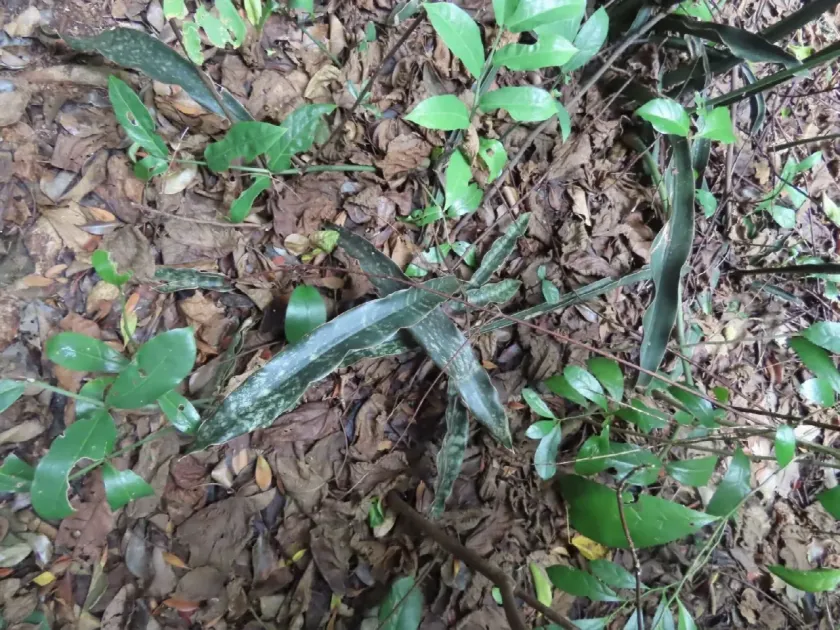
Botanically, the species is distinguished by its rhizomatous growth habit and thick, succulent leaves that often feature mottled patterns of green and silver-white. The rosette structure is compact, making it an excellent candidate for interior plant production.
Main diseases and pests
The main pests affecting Sansevieria kirkii include the mealybug and red spider mite. These pests often congregate in the crevices of the leaves or at the base of the plant, where they feed on sap and weaken the overall structure.
Fungal and bacterial rot are the most serious threats to the plant, usually resulting from excessive moisture in the soil or cold, humid conditions. Rot often manifests at the base of the leaves and can lead to rapid decay if not addressed immediately.
Effective management strategies include maintaining proper spacing between plants to ensure good air circulation and inspecting new stock for pest infestations before introducing them to the general collection.
When infestation or disease is detected, mechanical removal of pests is the first step, followed by the application of systemic pesticides or fungicides depending on the severity of the infection.
Proper hygiene, such as removing dead foliage and avoiding overhead watering, significantly reduces the risk of pathogens settling on the plant tissues, ensuring long-term health and growth vigor.